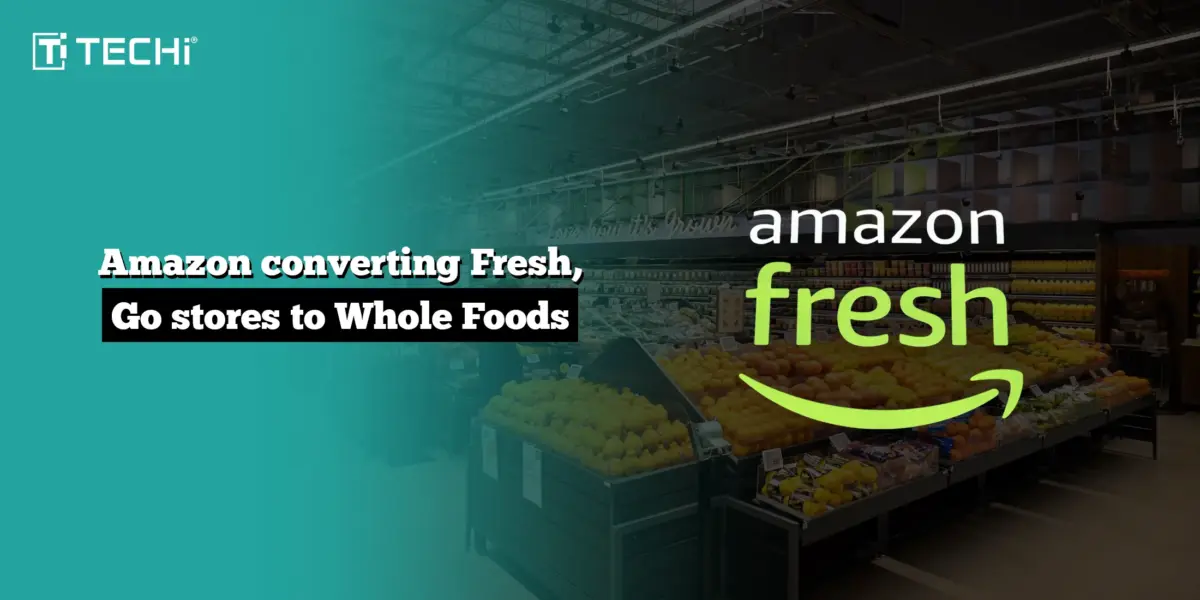
Amazon decided to discard its existing Fresh grocery service, because it wants to begin again with a new strategy. The e-commerce giant announced that it will sunset its Amazon Fresh supermarkets and Amazon Go convenience stores, and will convert many of those locations into Whole Foods Market outlets instead.
The company explained its decision through a blog post that described the choice as a “difficult decision” and a business choice, which will help their business operations. The new strategy shows Amazon’s ongoing efforts to achieve successful grocery operations, while maintaining its financial efficiency through this particular approach.
The blog post stated,
“After a careful evaluation of the business and how we can best serve customers, we’ve made the difficult decision to close our Amazon Go and Amazon Fresh physical stores, converting various locations into Whole Foods Market stores”.
Familiar Territory 🔗
The company plans to end its Fresh and Go services, while it will start operations in areas which it has already established. The company wanted Amazon Fresh to reach all consumers, while Amazon Go would create a shopping experience, which had no need for customers to stand in lines.
The actual situation developed differently, as Fresh faced numerous challenges during its 2020 introduction through its current state of operation.
Bezos said,
“No one likes to wait in line. Instead, we imagined a store where you could walk in, pick up what you wanted, and leave”.
The grocery stores at Go locations, which Jeff Bezos created to demonstrate “Just Walk Out” technology, also lost their appeal after Amazon removed cashier-less systems from grocery locations in 2024. So, the company established core areas of work, which will concentrate operations around Whole Foods because this brand shows operational success.
Whole Foods Takes Center Stage 🔗
Amazon maintains its commitment to physical stores, while it shifts its focus towards different retailing methods. The company intends to establish over 100 new Whole Foods locations in the next few years, and it will increase its smaller Whole Foods Daily Shops, which will serve as a quick grocery shopping destination.
The company uses its physical stores to also test various store formats, which includes a recently approved large shopping store designed for a suburban Chicago area. However, Amazon Fresh will continue its operations as an online grocery service, because the brand remains active despite the closing of its physical stores.
Technology Steps Back & Strategy Takes Over 🔗
The closure of Go stores marks a quiet adjustment of Amazon’s plans for retail technology development. The “Just Walk Out” system presented an impressive demonstration indeed, but it proved to be costly and difficult to implement across multiple locations. Amazon now appears more interested in selling that technology to stadiums, hospitals, and campuses rather than running it in its own grocery lanes.
Also, the company has strengthened its internal operations by establishing tighter links between Whole Foods and its main grocery business, while appointing Whole Foods CEO Jason Buechel to run Amazon’s global grocery operations. Amazon tests a “store within a store” model as well at selective locations, which combines its extensive product range with the actual store space of Whole Foods.
Bottom Line 🔗
Amazon’s decision to merge Fresh and Go into Whole Foods represents a departure from its previous plans, which is in accordance with its current business needs. The company has made its first commitment to the grocery brand after testing various options, because this brand attracts customers who enjoy its offerings.
Innovation sometimes requires researchers to stop developing new ideas and maintain existing successful products. So, basically Whole Foods stands as Amazon’s most reliable product in their grocery section, because customers continue to purchase it.