
Ancestry.com has spent the last two decades reading people DNA in order to help them learn about their family history, but now it wants to find a more constructive way to use those reading skills. That’s why the company has been trying to get the FDA’s permission to use people’s DNA to estimate things like their genetic carrier status and risk of diseases. It’s an interesting idea, and obviously one that could prove to be immensely beneficial to users, but it needs to get past the FDA before it can actually turn that idea into something real.
Two Takes
View TECHi Stance
Ancestry.com wants to use DNA to estimate people’s risk of disease
Theverge
View all Theverge Two Takes by TECHi
Read the original story
Published October 13, 2015
TECHi's Take

Ancestry.com, a company that’s all about the past, wants to tell you about your medical future. The amateur genealogy company is seeking permission to use its DNA kit to tell people about everything from their disease risk and genetic carrier status, to how well their bodies might react to a specific drug — uses the FDA doesn’t allow for direct-to-consumer genetic tests. At least, not yet. Ancestry is in the “very early stages of a conversation with the FDA,” Ancestry CEO Tim Sullivan told The Verge. “We think it’s totally appropriate that the FDA has stepped in to pretty aggressively regulate direct-to-consumer genetic tests — and we’re just starting from that perspective, and trying to work very closely with them.” Ancestry’s health push is fairly recent. Before this summer, the company’s primary focus was to help users learn more about their family. The company’s $99 DNA kit is part of that mission; people who send in their saliva for genomic analysis can learn about their ethnic origins, ancestors, and relatives. In July, the company struck a deal that gave the Google-incubated Calico — a medical research company that wants to “solve” the diseases of aging — the ability to look for markers of human longevity in its anonymized genetic database.
NOTE: TECHi Two-Takes are the stories we have chosen from the web along with a little bit of our opinion in a paragraph. Please check the original story in the Source Button below.
Balanced Perspective
TECHi weighs both sides before reaching a conclusion.
TECHi’s editorial take above outlines the reasoning that supports this position.
More Two Takes from Theverge
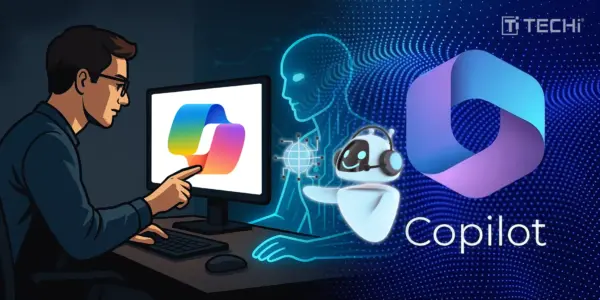

Microsoft's Copilot AI in Windows 11 falls short of user expectations, especially when compared to the company’s high-profile advertisements. Real-world…
Apple's idea to use OLED screens for gadgets shows how keen they are to boost how things look and feel.…
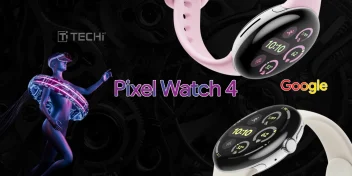
The Pixel Watch 4 is a new milestone in the world of smartwatches offered by Google. It brings several firsts,…
This most recent leak of Apple has got everybody talking in the tech world. The emerging code suggests substantial updates…