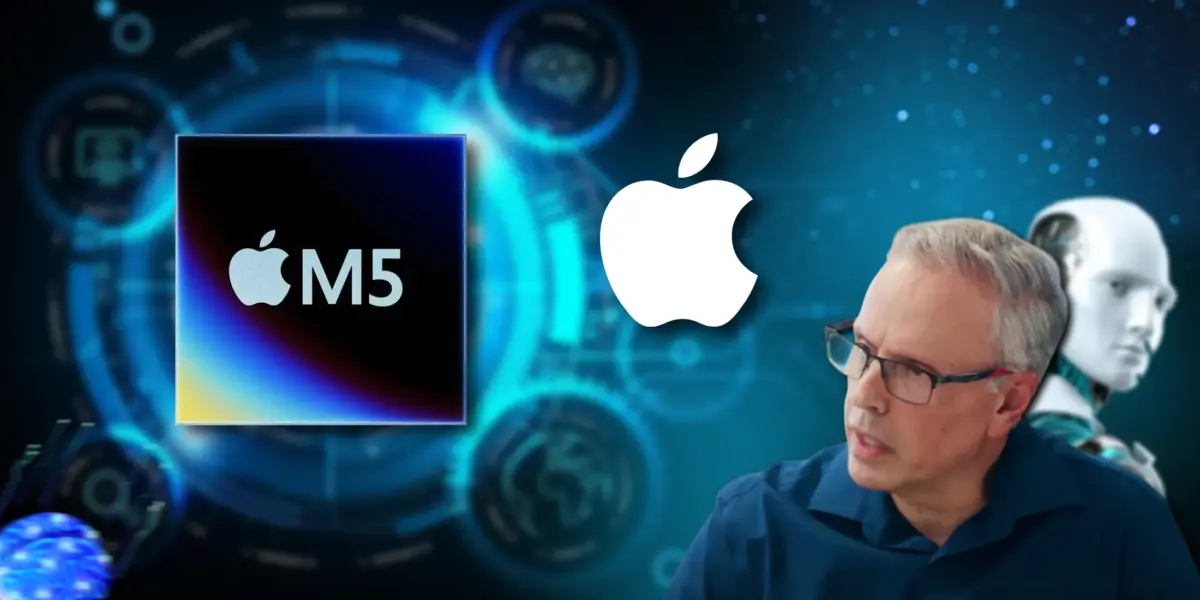
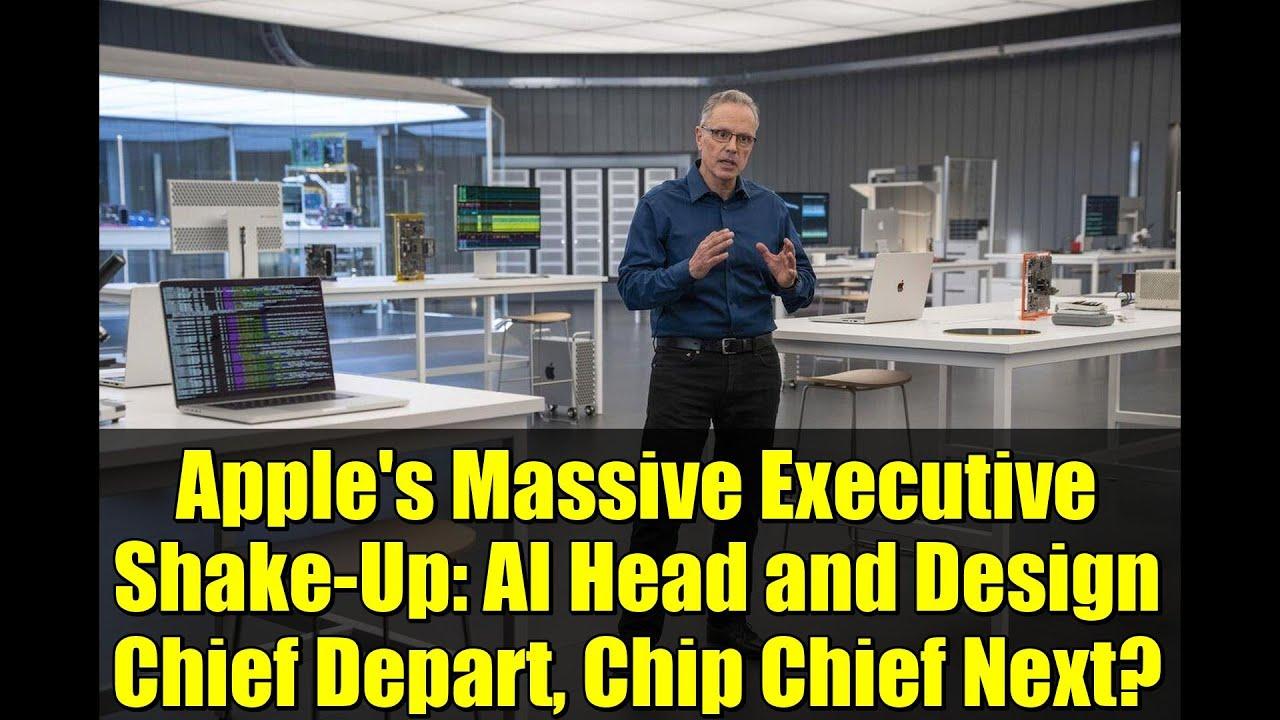
Apple is also back in the spotlight after the reports that Johny Srouji, the head of design of Apple’s silicon division, is considering quitting the company. This is a prospective exit that comes along with a string of key exits out of the company and growing competition in the world of artificial intelligence.
This has resulted in the sustainability of the long-term strategic direction of Apple and its ability to remain competitive in an ever-growing technological world being questioned by observers.
The Mature Moment of Leadership 🔗
According to Bloomberg, Johny Srouji is considering quitting Apple. He is currently the Senior Vice President of Hardware Technologies and has played a key role in spearheading the design and performance specs of the devices that the company manufactures.
His exit will be a significant loss because his team handles fundamental hardware services, which are part of Apple as a product.
The Current Report Adds to a Continuing List of Executive Exits 🔗
The present report is used as part of a continuing list of executive exits. The long-time chief operating officer of the company, its chief artificial-intelligence officer and more than a dozen other senior executives have already left.
All these exits have raised issues of internal stability and the ability of the organization to make major product lines head to the developmental horizon.
The Reason why Talent is moving out of Apple 🔗
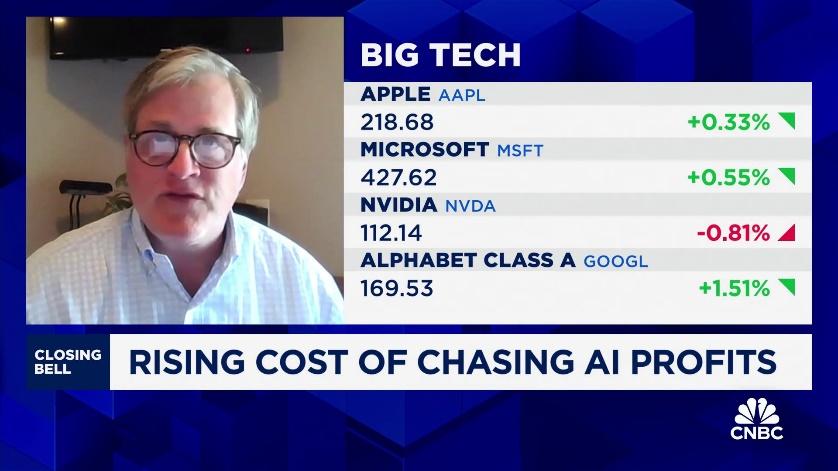
The recent failures in artificial-intelligence projects seem to be one of the main stimulus factors of talent drain in Apple. The companies of Silicon Valley are investing heavily in state-of-the-art AI solutions and offering their new hires substantial rewards to lure the top professionals to their positions.
As such, Apple is faced with growing competition, not only in the general market but also in the quest to maintain its talented workforce.
Handling Internal Dissatisfaction in a market-pressurised environment 🔗
In order to deal with the internal turmoil, Apple has reshaped some aspects of its leadership structure and made alterations to reporting lines. However, the timing of these changes is also problematic, especially when the organisation tries to introduce something new to the world, i.e., AI-based functionalities that consumers expect of a leading global brand.
Falling Behind in the AI Race 🔗
The Apple reputation, which is traditionally based on innovativeness, has in recent years not been able to keep pace with the fast development of its rivals in the field of artificial intelligence. Companies such as Google and Microsoft have launched much more visible generative-AI tools, and Apple has lagged behind in declaring breakthroughs.
In June, Apple announced its new AI, Apple Intelligence. Even though this announcement was a significant move, critics argue that the firm has not been making a fast enough change. As a way of improving its competitive position, Apple signed a one-billion-dollar deal with Google that has allowed it to integrate Google technology into the upcoming version of Siri that is set to be launched in mid-2026.
This innovation shows that Apple is willing to do business with its competitors in case it needs to stay relevant to the rapidly changing AI environment.
The implications of this for the Future of Apple 🔗
In case Srouji leaves Apple would lose one of its most respected hardware leaders at a point where decisive leadership is unavoidable. The Chief Executive Officer, Tim Cook, has attempted to reassure the investors by confirming that the company is fully dedicated to artificial intelligence, but the continuous exodus casts the effectiveness of the current strategy into doubt.
Apple still has a strong financial base and a following of customers. However, it is also factual that the organisation is under increased pressure. The years ahead will tell whether Apple will be able to rebuild its cadres of leaders, speed up its course of AI development, and regain the confidence that used to be a hallmark of the company.