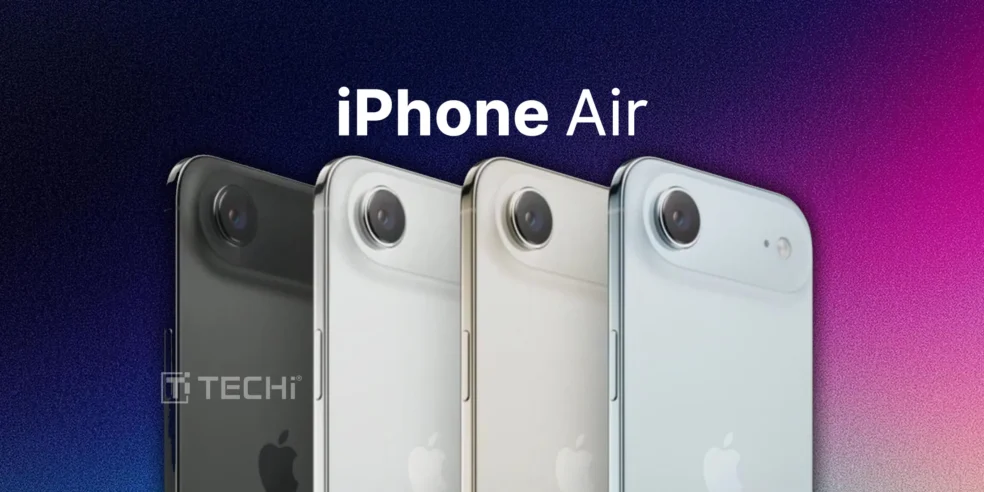

Apple’s global iPhone 17 launch is set for September 19, but all is not smooth, particularly in China. The iPhone Air, the version that drops the physical SIM for an eSIM-only design, won’t hit store shelves in China on that target date. The rollout is on hold pending last-minute government clearance, a routine tug-of-war in this ultra-regulated market that swings between tech excitement and regulatory bureaucracy.
Beijing still wants the last word on every whisper of cellular tech, and eSIM is no different. Since the eSIM is soldered directly onto the device’s motherboard and activated by software, regulators have more visibility and, crucially, more fear around tracking users, securing the network, and ensuring wary government oversight of SIM activations.
At the same time, whispers about delays are spreading. Folks in China hoping to pre-order the iPhone Air are faced with vague “shipping delays” and no firm delivery dates. Customers in the rest of the world can still hit the big green order button, locking down their Air before the next surprise. Apple hasn’t hit the pause button, either; the company is preparing the other iPhone 17 models for the same market. This way it keeps potential buyers on standby and shelves only partly stocked, the perfect recipe for hype, and hype alone.
China’s main carriers seem close to rolling out eSIMs, but the process is still hanging. Conversation from China Mobile and China Telecom has suggested that eSIMs are on the horizon, with a draft press release even featuring potential release dates. That document got retracted quickly, hinting that regulators haven’t signed off. It’s a tricky balancing act.
On the one hand, the companies could reduce costs by dealing only with digital profiles and avoiding the supply chain for physical SIMs. On the other, regulators appreciate the control that comes with a physical card for each subscriber, because it gives them a built-in tracking layer for compliance and security.
A sweeping ban on eSIM still seems too drastic a move for China. The switch to digital SIM cards is a global trend, and Beijing is already testing it for wearables and IoT gadgets. The pause is all about spelling out rock-solid regulations first, so everyone knows the rules. Once that is settled, the country’s handset makers will likely crank out eSIM devices fast, with full backing from major state telecom players.