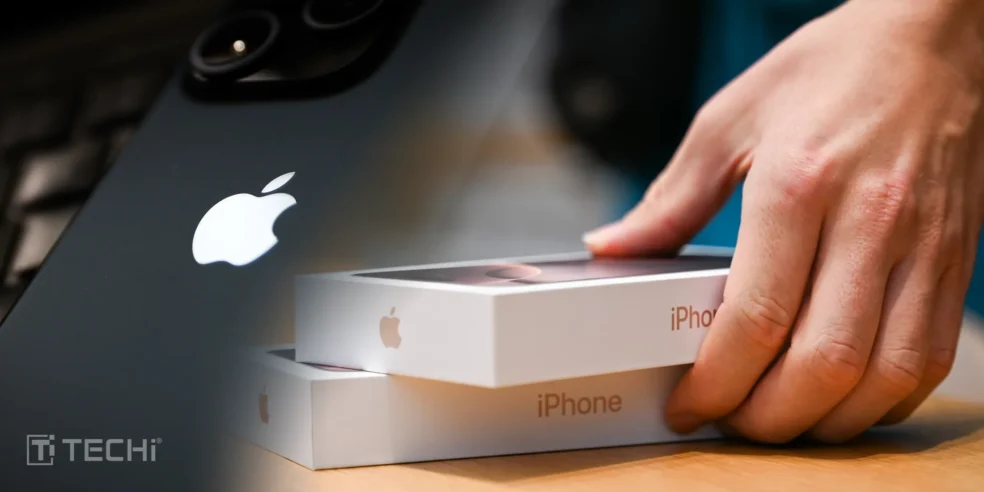

The Jefferies downgrade reflects a shift in sentiment around Apple’s ability to sustain momentum in its flagship iPhone segment. For years, Apple’s stock performance has been closely tied to iPhone cycles, and investor optimism often anticipates stronger sales ahead of major launches. By flagging the iPhone 18 as a potential weak spot, Jefferies is raising concerns that future demand may not meet expectations, particularly in a market where smartphone upgrade cycles are lengthening and consumer enthusiasm for incremental improvements is waning.
The cautious outlook is not surprising given broader industry conditions. Global smartphone shipments have struggled to return to pre-pandemic highs, with China and Europe seeing slower consumer spending. While Apple has a loyal customer base, recent quarters have shown softness in unit volumes, offset by higher average selling prices. If iPhone 18 features do not resonate strongly or if competition from Chinese manufacturers continues to intensify, Apple could face margin pressure as it tries to maintain premium pricing in price-sensitive markets.
This downgrade also reflects a valuation argument. Apple has been trading near record highs, with a market capitalization above $3 trillion. That valuation assumes steady double-digit earnings growth, but Apple’s revenue mix still leans heavily on iPhones. Its services segment, while growing, does not yet offset the cyclical risk of hardware sales. Jefferies is signaling that investors may be overestimating Apple’s ability to drive near-term earnings expansion without a breakthrough product cycle.
For the technology sector, the downgrade highlights a broader challenge. As hardware markets mature, even dominant players like Apple face difficulty sustaining growth at scale. This puts pressure on companies to diversify revenue streams into areas such as artificial intelligence, wearables, and subscription services.
Apple has made progress with services, Apple Watch, and AirPods, but the iPhone remains the primary driver of sentiment. If Jefferies’ caution proves accurate, it could temper enthusiasm not only for Apple but for suppliers that depend heavily on iPhone volumes, including chipmakers, camera module producers, and assembly partners.
From a market perspective, the downgrade may not cause immediate structural damage to Apple’s stock, but it adds weight to a growing theme: investor expectations may be ahead of fundamentals. Large asset managers often rely on premium valuations being justified by continued innovation. If Apple is unable to deliver a compelling iPhone 18 or faces unexpected regulatory or competitive hurdles, the stock could enter a consolidation phase. In such a scenario, other megacap tech names with stronger growth narratives, such as Microsoft or Nvidia, may attract a larger share of investor capital.
In summary, Jefferies’ underperform rating is a warning that Apple’s valuation leaves little room for error. The iPhone 18 cycle is shaping up as a critical test of how much growth remains in the company’s most important product line. Unless Apple can surprise with new features or accelerate growth in services, investors should expect a more cautious period ahead for the stock.