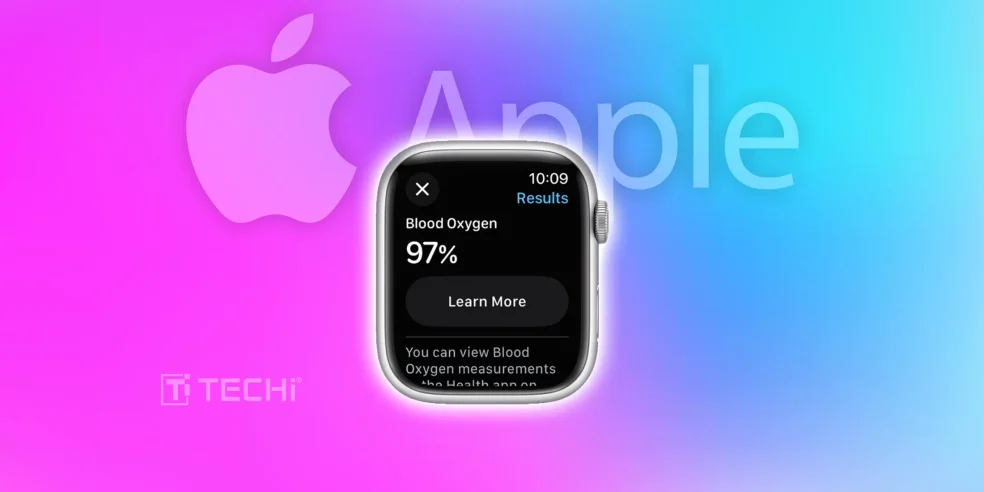

The blood oxygen tracking controversy won by Apple is an undisputed turning point when it comes to wearables. The blood oxygen feature of Apple Watch is now available to users in the U.S. The workaround introduced by Apple demonstrates that they were clever inside. By offloading the watch’s data processing to the paired phone, Apple did not breach the terms of legal limitations, yet still allowed users to benefit from wellness tracking. It is not a move to restore an existing feature, but rather to enable a fast response to regulatory issues without compromising user experience.
The effects are simple and beneficial to users. Able to track blood oxygen during workouts, sleep, and everyday life, Series 9, Series 10, and Ultra 2 owners have lost the functionality, but now they have regained the ability to monitor their oxygen saturation on Apple Watch. Although the readings are not medical, they are of general fitness and wellness value. This feature facilitates overall trends in self-monitoring health, allowing the user to observe trends over a long period.
As a portent of the future, tech companies can be expected to react similarly in the face of future legal and regulatory challenges. The fact that Apple has decided to offload data processing to the iPhone and not the watch predicts well for more dynamic abilities with cloud-assistance making its way to wearables in the future.
The increasing weight of health tracking features on users’ minds is also evident in this legal battle and the technical solution. Wearables are not just an accessory; they are a tool that people consider a necessity for understanding their health. Apple’s insistence will likely keep the company a leader in the space. Their thinking ability adaptation serves as a role model for others facing similar situations. The central question for the future is whether companies will continue to make adjustments or insist on a return to full device autonomy. To date, Apple has set a smart precedent for balancing innovation and compliance to prioritize user health.