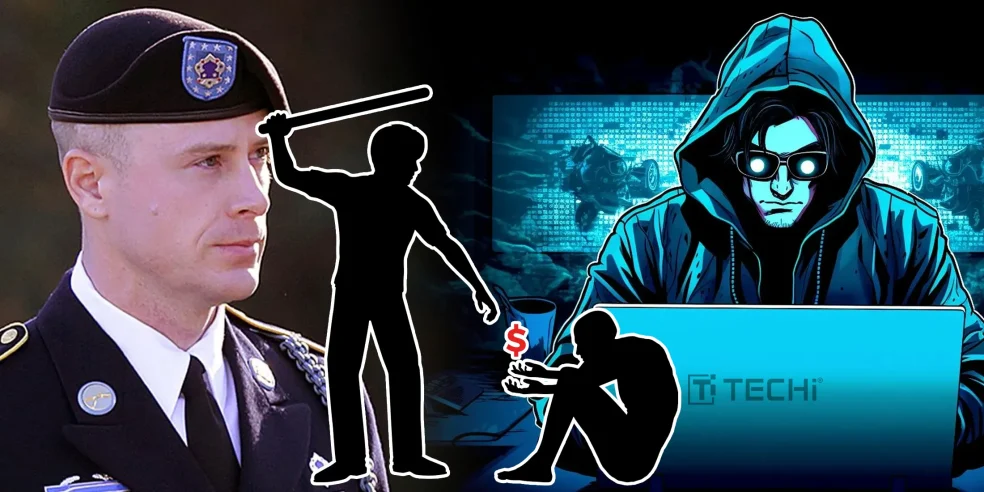

This case shows how people who are trusted with special access can still cause serious harm if they turn towards abusing power. Andrew Davis was not a regular criminal. He was a trained soldier who had advanced technical skills and security clearance. Because he had both access and skills, he became very dangerous as he decided to break the law. It’s proof that even trusted people can become a risk if there is no check and balance in place.
The U.S. Department of Defense is now increasing efforts to reduce these kinds of risks. According to its official cybersecurity guidance, there is growing focus on insider threats. Defense officials are improving background checks and monitoring how users interact with secure systems. These steps aim to detect unusual behavior at first glance and take precautionary measures before any damage is inflicted.
Davis’s case shows why this work is so important. When someone with high-level access goes against the rules, they can do serious harm. Companies and government agencies must create systems that track insider activity in real time. There should also be clear reporting systems and fast responses to any suspicious behavior.
Everyday businesses are storing data online on cloud servers and other databases but with that they are also becoming increasingly vulnerable, so any internal threats must be taken seriously. This case is a reminder that trust alone is not enough. Security systems should be trained to monitor usage, detect any suspicious activity with a factor of predictability (within reasonable bounds of course) and act fast when something seems wrong.
When someone trusted with an authoritative role misuses his/her power, it inflicts harm on many at secondary and tertiary levels, causing disruption within an organisation. Davis’s story is a wake-up call for all organizations to strengthen their internal cybersecurity controls.