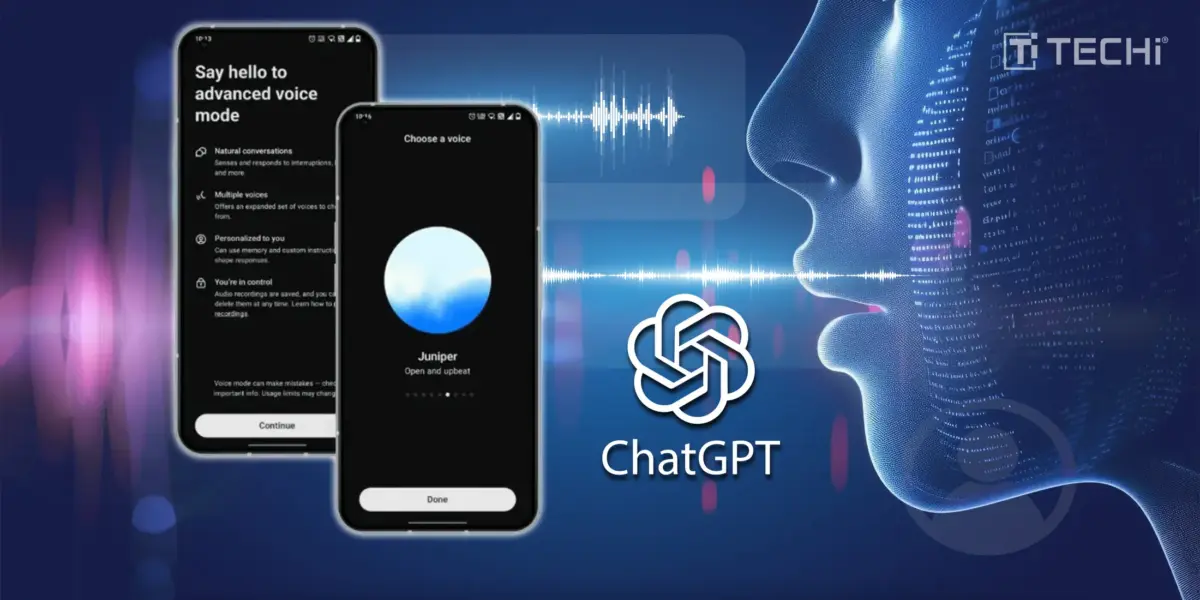

ChatGPT’s voice mode has been integrated directly into the main chat interface, making it easier and more natural to use.
Instead of switching to a separate voice mode screen with limited visuals and only audio responses, users can now talk and see ChatGPT’s responses including images, maps, and text appear in real-time within the same chat window.
This update simplifies interaction by allowing seamless switching between voice and text conversations and viewing all content in one place.
This change leads to a more efficient and engaging user experience.
Previously, separate voice mode required users to leave the main chat interface, which could cause confusion or missed responses since only spoken answers were provided.
Now, live transcription and visual elements appear as you speak, improving clarity and reducing friction in conversations.
Users still have the option to revert to the original separate voice mode through settings if preferred.
Looking ahead, this integrated voice mode update represents a significant step toward more fluid and human-like AI interaction.
By blending voice and text inputs naturally, it opens possibilities for richer conversational experiences and more dynamic use cases across platforms.
This usability upgrade aligns with broader trends in AI communication, emphasizing convenience and emotional intelligence in how chatbot voice assistants engage people.
Overall, OpenAI’s improved voice mode makes ChatGPT more accessible and practical for everyday use, setting a new standard for voice-enabled AI chat tools while maintaining user control and flexibility.