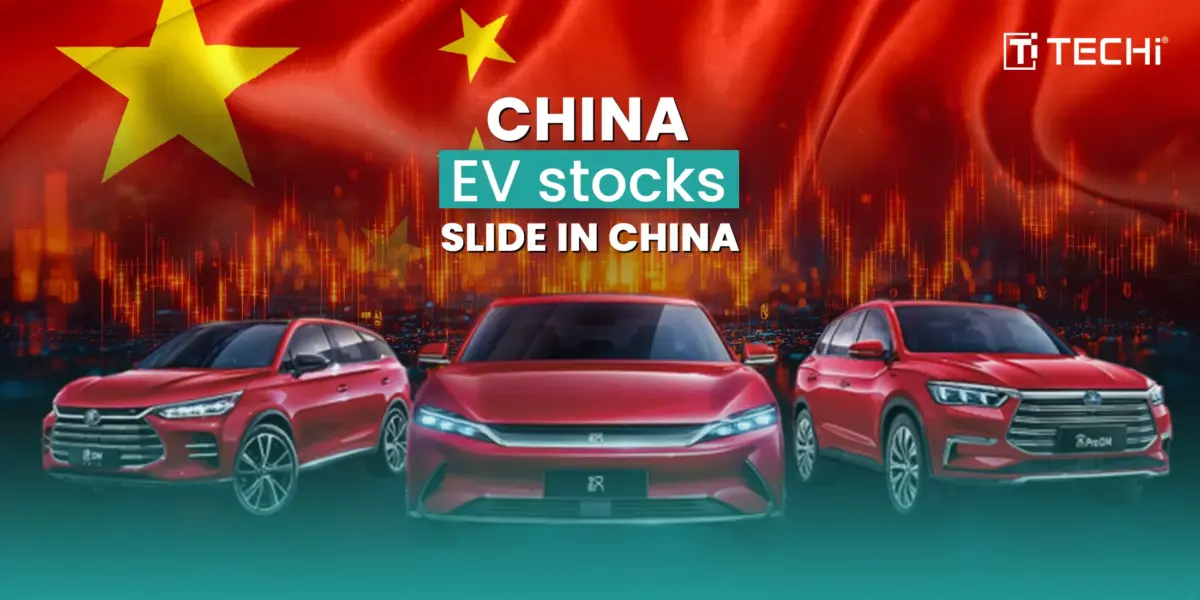
Chinese electric vehicle stocks plunged today as weak January delivery data exposed a fragile start to 2026 and reignited worries about domestic demand.
Hong Kong-listed EV names such as BYD, Xpeng, Li Auto, NIO and Xiaomi all fell sharply, underscoring how sensitive the sector has become to monthly sales surprises.
BYD numbers tell a tough story 🔗
BYD, China’s largest new-energy-vehicle maker, reported 210,051 vehicle deliveries in January, down about 30% year-on-year and roughly 50% from December, marking its fifth straight month of sales declines.
Last month, BYD introduced upgraded new versions of a number of plug-in hybrid models with long-range batteries, with the goal of increasing the appeal of its low-cost hybrids.
Why are investors nervous? 🔗
Analysts point to fading policy support and a post-holiday slowdown as key drags. China’s trade in subsidies and other purchase incentives have either expired or been scaled back, dampening short-term demand.
Xpeng Inc (HK:9868) delivered 20,011 vehicles, a 34% decrease from the previous year, while Li Auto (HK:2015) delivered 27,668 units, down 8% year on year. Xpeng shares dropped 9%, while Li Auto fell 4%.
NIO Inc (HK:9866) dropped more than 7%. NIO delivered 27,182 vehicles, nearly doubling the previous year’s total but falling short of December levels, indicating seasonal softness. Xiaomi (HK:1810) shares fell 3% after the EV unit reported around 39,000 deliveries, a monthly record for the brand but still lower than December’s pace, indicating uneven demand across the sector.
Future outlook 🔗
Analysts expect further price competition and possible consolidation among smaller EV brands, while investors watch for clearer signs of policy re-stimulus later this year. For now, China’s EV rally looks less like a straight-line ascent and more like a bumpy road shaped by policy, exports, and consumer fatigue.