
If anyone could challenge the Apple-Google duopoly that powers the cast majority of the smartphones out there today, it would be Samsung. At least, that’s what many people thought when the company first announced its own mobile operating system, known as Tizen, and continued to think this even when the platform was delayed time and time again. However, when Samsung finally did release a device powered by Tizen, it was a $92 smartphone for emerging markets that impressed nobody. Since then, Tizen has only been seen in a few smart televisions and little else, but that doesn’t mean Tizen smartphones are over.
Two Takes
View TECHi Stance
Don’t write off Samsung’s operating system as a failure just yet
Techcrunch
View all Techcrunch Two Takes by TECHi
Read the original story
Published May 26, 2015
TECHi's Take

Samsung’s Tizen mobile platform is all too easy to write off as a failure. The product, which is a Samsung-owned rival to Google’s Android and Apple’s iOS operating systems, was delayed for more than a year. Even when the first Tizen-powered device finally emerged this January, it was a pretty underwhelming $92 smartphone for India and other emerging markets. Added to that, Samsung had earlier extended the platform to cover smart TVs, a move that some took to mean that the platform wouldn’t have a major role in its mobile division. This scenario isn’t exactly in tune with the hype that, with Tizen, Samsung is hedging its reliance on Android and creating its own platform to assert greater control over the devices it produces and services that it runs on them. Tizen doesn’t look like it will challenge Android or iOS for marketshare. But — anyone who read the headline knew this was coming — there is an early sign to suggest that it might not be a total disaster after all. A new report from Counterpoint Research suggests that the Samsung Z1, the aforementioned $91 device, was the top selling smartphone in Bangladesh in Q1 2015. The report did not provide an estimation for the number of sales, but that finding from the report is “surprising” — to use Counterpoint’s own description.
NOTE: TECHi Two-Takes are the stories we have chosen from the web along with a little bit of our opinion in a paragraph. Please check the original story in the Source Button below.
Balanced Perspective
TECHi weighs both sides before reaching a conclusion.
TECHi’s editorial take above outlines the reasoning that supports this position.
More Two Takes from Techcrunch
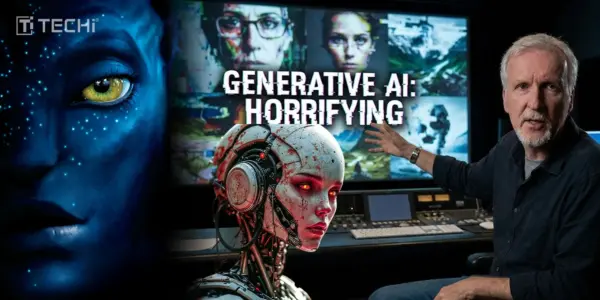

James Cameron, the acclaimed director known for pioneering visual effects in movies like Avatar, has expressed strong reservations about generative…

ChatGPT's voice mode has been integrated directly into the main chat interface, making it easier and more natural to use. …

X has rolled out a new ‘About This Account’ feature showing when an account joined, username changes, and importantly, geographic…
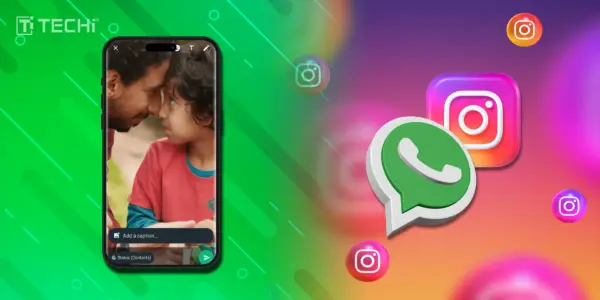
WhatsApp has relaunched its "About" feature, which functions similarly to Instagram Notes, allowing users to post short text updates visible…