
Online publishing has almost completely replaced physical magazines and newspapers, but now it may be in danger of being replaced itself. A more accurate way to describe it is that the current form of online publishing, which involves companies publishing their articles to their own websites, may be in the process of changing dramatically. Facebook and Twitter been directing users to these news websites for years, but with the way things are going now, they may soon come to replace the websites entirely by having articles posted directly to their own services, rather than linking to them.
Two Takes
View TECHi Stance
Facebook and Twitter may come to replace news websites entirely
Techcrunch
View all Techcrunch Two Takes by TECHi
Read the original story
Published October 16, 2015
TECHi's Take

Publishers are in danger of becoming dumb content in the smart pipes of platforms like Facebook and Twitter. The quest for smoother user experience seems to pose actually visiting a publisher’s site as friction. With content consumption being redfined, there’s plenty of eyeballs out there, but it’s getting tougher to win the hearts of readers. Previously, the platforms were willing to pass people on to a publisher’s website where they could show ads, promote their other posts, and forge a relationship worthy of a subscription fee or frequent repeat visits. The platform just wanted to be a gateway, and run ads between these chances for discovery. Now, the platforms want to absorb the Internet, becoming the destination — a sit-down restaurant, not a take-out counter. Rather than hoping users come back to discover more content after they consume it elsewhere, platforms don’t want people to ever leave. They hope this full-service experience will make content consumption more convenient for readers. The latest example of this is how Twitter’s newspapery Moments feature assimilates the content of tweets it aggregates on mobile, but hides the vital link back to the publisher’s website without users even knowing. Should publishers give up the milk if Twitter doesn’t want the cow?
NOTE: TECHi Two-Takes are the stories we have chosen from the web along with a little bit of our opinion in a paragraph. Please check the original story in the Source Button below.
Balanced Perspective
TECHi weighs both sides before reaching a conclusion.
TECHi’s editorial take above outlines the reasoning that supports this position.
More Two Takes from Techcrunch
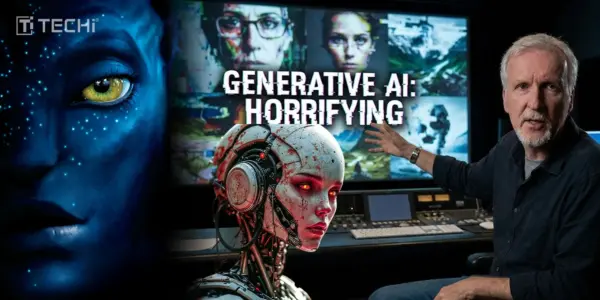

James Cameron, the acclaimed director known for pioneering visual effects in movies like Avatar, has expressed strong reservations about generative…

ChatGPT's voice mode has been integrated directly into the main chat interface, making it easier and more natural to use. …


X has rolled out a new ‘About This Account’ feature showing when an account joined, username changes, and importantly, geographic…

WhatsApp has relaunched its "About" feature, which functions similarly to Instagram Notes, allowing users to post short text updates visible…