
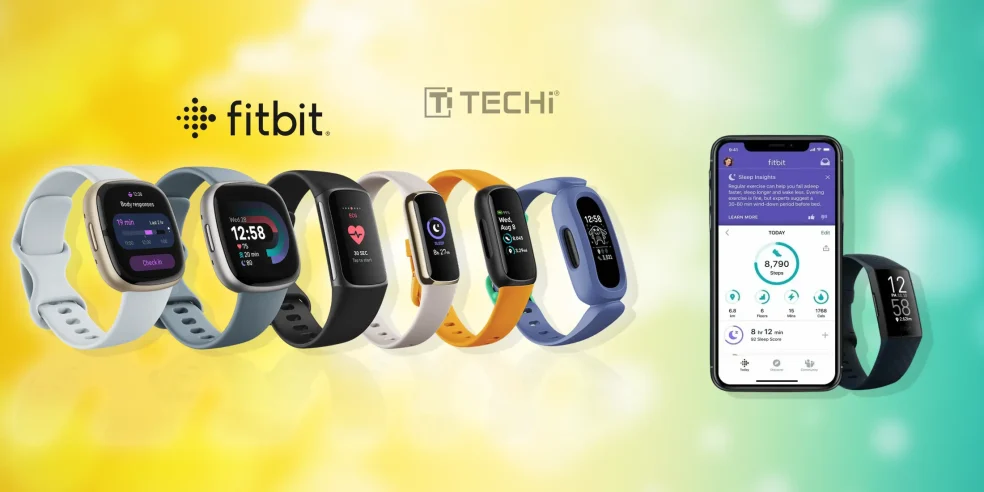

This outage may seem minor to someone who doesn’t use a fitness tracker. But for Fitbit’s loyal user base, it felt like their health life got paused. In a time when fitness tracking is part of how millions live, even a one-day failure is a big deal. Just imagine trying to close your daily ring goals, and then you find out that your device can’t even talk to the app. For some, it was just annoying. For others, it was a real disruption to their daily health management.
One big concern about this is communication. Fitbit took a while to officially respond. During that silence, users were left thinking of what was really going on. Some thought that their devices had broken. Others tried troubleshooting with no results. That lack of clarity made everything more frustrating. If a health app goes down, users deserve fast updates. They need to know what’s wrong and when it might be fixed.
This also shows just how dependent we’ve become on digital health tools. Fitbit is no longer just a step counter. It’s also a sleep monitor, a heart rate tracker, and a stress checker. It helps people manage their fitness goals and even mental health. So when it fails, people feel more than just irritation, they feel vulnerable towards it.
Yes, Fitbit fixed the issue. But trust is fragile. After this, people may wonder: What happens next time? Will Fitbit respond faster? Can it prevent this kind of thing from happening again? The company now has a chance to step up. And they can do this by improving communication, tightening reliability, and reminding users why they trusted Fitbit in the first place. In 2025, fitness and tech go hand in hand. But that also means a tech failure hits where it hurts most, your health.


