
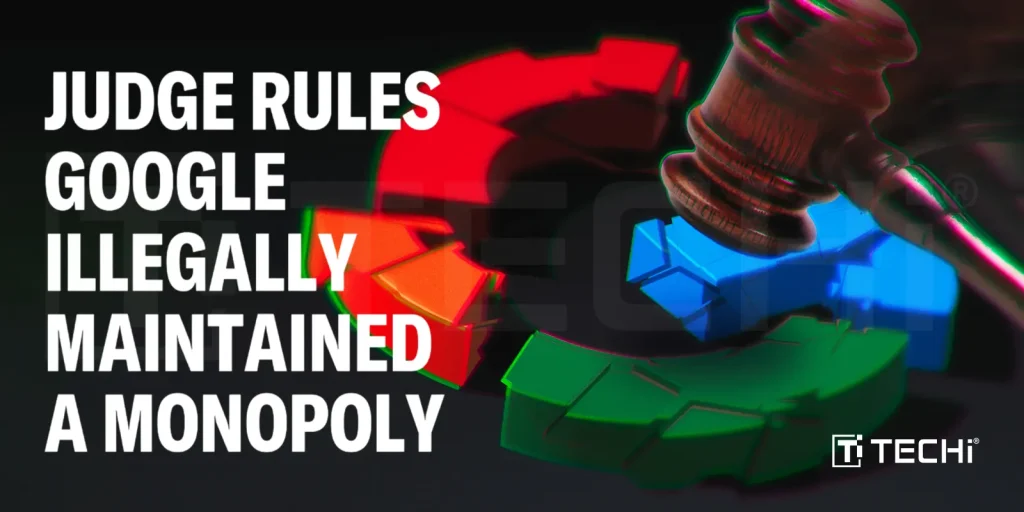
A federal judge has concluded that Google has illegally monopolized the advertising technology market, marking the end of a lengthy legal battle that began when the U.S. government and eight states filed their complaints against the tech giant two years ago. This ruling comes as part of an ongoing investigation into Google’s dominance in digital advertising.
Potential Outcomes for Google 🔗
The court is now set to determine what actions should be taken in response to Google’s violation of antitrust laws. The judge has outlined two potential paths:
- Breakup of Google’s Ad Business: One possibility is forcing Google to break up its advertising business. This could mean selling off parts like Google Ad Manager, which includes the AdX ad exchange and DFP (DoubleClick for Publishers) tools that are crucial for publishers in the ad tech space.
- Behavioral Restrictions: Alternatively, the court may opt for behavioral remedies. In this scenario, Google would keep its ad business intact but face strict regulations to promote fair competition. These could include rules preventing Google from giving preferential treatment to its own ad exchange in auctions.
Google’s Response to the Ruling 🔗
Google has reacted to the ruling by expressing its intent to appeal parts of the case. Lee-Anne Mulholland, Google’s Vice President of Regulatory Affairs said,
“We won half of this case and we will appeal the other half.”
The company disagrees with the court’s decision on its publisher tools, arguing that many publishers choose Google because its tools are simple, affordable, and effective.
What Led to This Case? 🔗
The U.S. Department of Justice (DOJ) and several states filed the lawsuit in 2023, accusing Google of leveraging anti-competitive practices to achieve a monopoly. The government argued that Google’s purchase of DoubleClick in 2008 and AdMeld in 2011 gave it unfair control over the ad market. By monopolizing the ad market, the DOJ claims Google has been able to hike ad prices and take a larger share of the revenue, negatively impacting publishers.
What’s Coming Next? 🔗
This case is part of a bigger legal battle against Google. In another case, a judge has already said that Google has a monopoly in online search, and the final decision in that case is expected by mid-2025. The result of this ad tech case could bring big changes for Google and may lead to new rules for how online ads are run in the future.