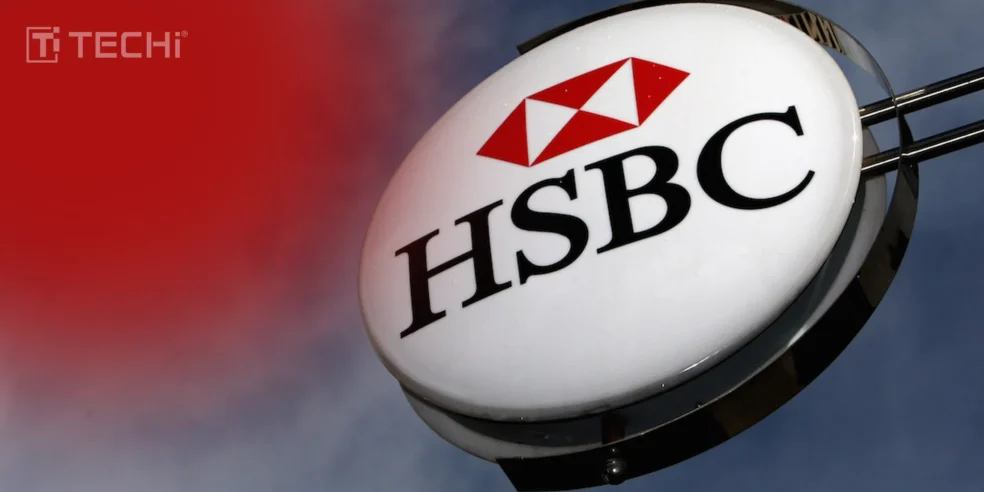

HSBC’s downgrade of Intel from Hold to Reduce will come as a shock to some investors, considering the company’s recent history of billion-dollar deals. But the call captures a deeper sense of disbelief that Intel’s current short-term financial momentum may not necessarily extend into long-term operational success. Indeed, Intel has obtained massive investments from SoftBank, the U.S government, and Nvidia, but such investments are only as effective as the company’s capacity to deliver.
The rise in Intel’s stock price indicates investor enthusiasm, but it also warns about its sense of arrogance. With the shares trading close to a 52-week high, the market might be factoring in future success before Intel has utterly confirmed that it is capable of doing so.
Intel’s situation today is an interesting case of perception and reality. On one hand, its bold fundraising and partnership plan has certainly stabilized market confidence, providing it with the liquidity to go after its foundry plans as well as AI-related initiatives. On the other hand, HSBC’s downgrade highlights a harsher reality, in which Intel’s turnaround narrative solely relies on its own manufacturing performance, rather than outside capital inflows.
Such investments can be seen as a vote of confidence in Intel’s strategic revival, but the company is relying too much on investor optimism over operational breakthroughs. The mixed ratings by institutions such as Deutsche Bank’s Hold and Bernstein’s Market Perform indicates that though Intel’s tale has gained momentum, it is still risky, and is stuck between promise and hard core evidence.
Intel’s story of its revival is very inspiring, yet it also seems to be a trial of its survival. The investment agreements can grab attention in the headlines, but long-term success will solely depend upon whether Intel can win back the trust in its chip-manufacturing expertise or not. Until it steadily executes its foundry and AI roadmap, investors might have to make a distinction between hope and overconfidence, because in this economy, excitement without action rarely survives.