
The notion of the U.S government taking a direct ownership stake in Intel seems like a step that is both bold and sloppy. It is, on one level, a declaration of just how vital semiconductors have become to national security, innovation, and economic competitiveness.
It is, on the other hand, a risk of pulling Intel deeper into the chaotic world of politics, where tweets, Truth Social messages, and cabinet sessions can influence market response as much as profit announcements. For shareholders, Intel’s 7% spike indicates enthusiasm that Washington is finally committing hard cash to backing up its policy words.
Strategically, government support would make Intel’s turnaround a quick process. A booster of capital and assured demand from American chipmakers would allow Intel to expand and compete with Taiwan’s TSMC, which would lessen America’s dependence on foreign manufacturing.
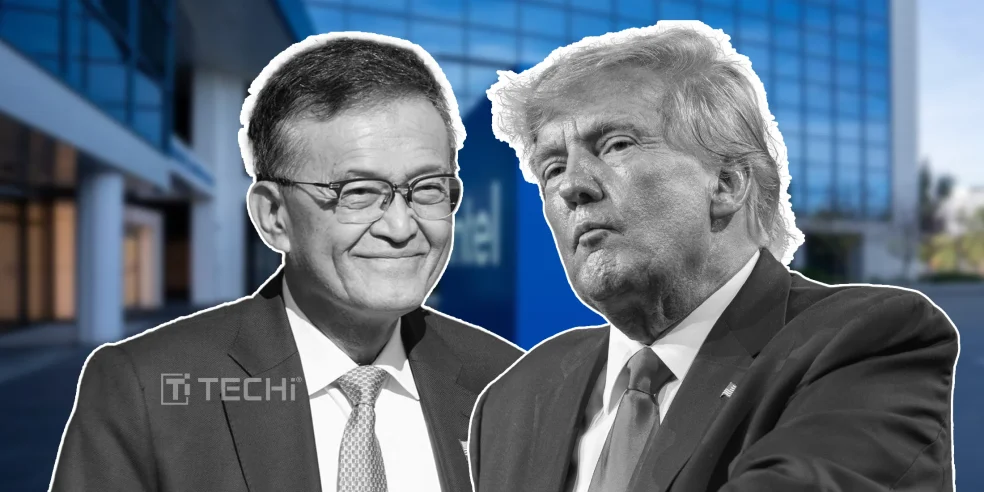
In an era of geopolitical unpredictability, that sort of domestic capability would be worth a heavy value for money. However, Intel stands to become a pawn in this election drama politically. Trump’s strong words have already been directed against CEO Lip-Bu Tan, and he has openly bullied firms into aligning with his agenda. If the government becomes a shareholder, these tactics might grow fiercer, which will transform Intel’s boardroom into an extension of the political theater.
Investors must also be suspicious. A government ownership stake will not improve Intel’s product timing issues, trailing competitiveness in GPU and AI chip markets, or its dependence on falling behind its competitors technologically.
Analysts such as CFRA’s Zino are correct; such news can stir the stock in the near term, but does nothing to address the fundamentals of Intel’s product pipeline. Intel’s stock pop indicates that Wall Street is infatuated with the notion of government support; however, chips are not constructed from press releases or political guarantees. If the transaction happens, it has the potential to remake U.S tech policy and secure homegrown manufacturing, but the true test is whether Intel can produce competitive chips.
Without that the firm runs the risk of being supported instead of actually being restored. Ultimately, the success of this transaction will rely less on Washington’s cash and more on Intel’s capacity to out-innovate its international competitors.