
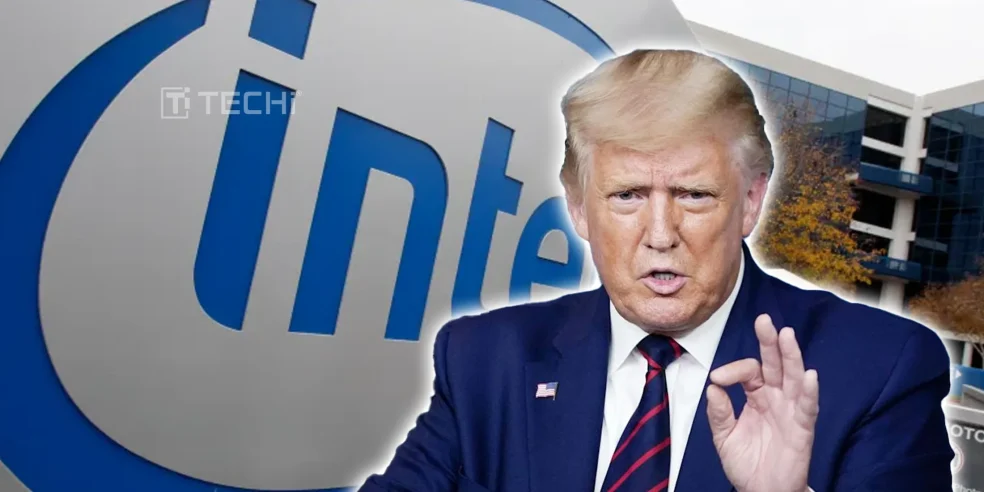

The U.S government taking near 10% ownership in Intel is quite historic and controversial. On one hand, it illustrates how important semiconductors are for national security purposes, propelling Intel from being a struggling chip firm to a strategic asset.
However, on the other hand it does pose an uncomfortable question whether taxpayer dollars be used to take direct stakes in a private company, one that has fallen behind competitors such as AMD and Taiwan Semiconductor or not. For some, this seems a daring step to protect America’s chip future, and for others, it seems like Intel is being bailed out with money it was already owed.
The U.S is running to prevent itself from Asian chip foundries in the face of growing tensions with China. For the state, having equity in Intel sends the message that it is not merely subsidizing manufacture but also holding someone accountable to protect domestic semiconductor capability.
On the other hand, the investors might not be as happy. As per some experts, Intel is basically swapping a large piece of its ownership for money that it would have otherwise gotten under the CHIPS Act, which appears to be poor bargaining.
Clients may also be reluctant to go deeper into partnerships if they see Intel as being too obliged and close to Washington, and foreign governments might respond by restricting Intel’s presence abroad. Regardless, this seems precisely the sort of alliance required to restore the U.S manufacturing power, even if the near-term seems to be ugly.
Ultimately, whether the transaction turns out to be visionary or troublesome relies on Intel’s performance. If it is able to use the cash to restore its competitiveness and emerge as a genuine challenger to TSMC and Nvidia, the U.S government’s investment will be seen as an act of genius of industrial policy.
If not, it will only be yet another costly venture into state-capitalism. For the time being, Intel stock may be too expensive for conservative investors, but its strategic significance has definitely skyrocketed.