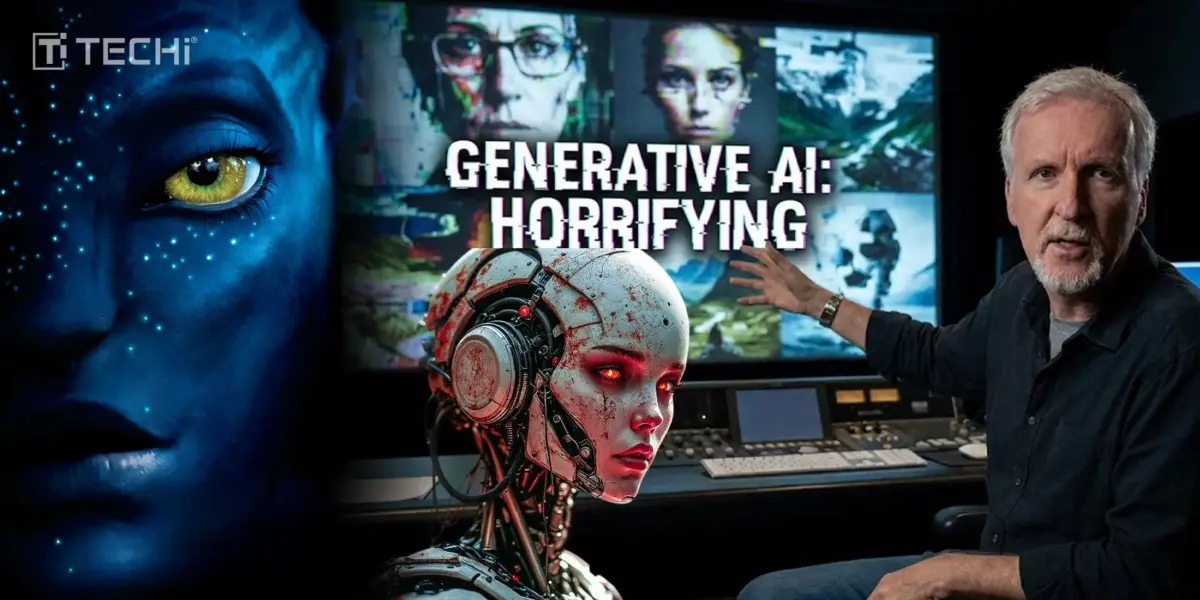

James Cameron, the acclaimed director known for pioneering visual effects in movies like Avatar, has expressed strong reservations about generative AI.
His concerns stem from a fundamental difference between traditional filmmaking techniques and AI-driven content creation.
Cameron emphasizes that performance capture, used extensively in the Avatar franchise, is rooted in real actors bringing genuine emotion and creativity to their roles.
This process captures the human element that makes storytelling authentic and engaging.
Generative AI, in contrast, can fabricate entire characters, performances, and scenes without any human input beyond a simple text prompt.
Cameron finds this approach troubling because it removes the human presence at the heart of filmmaking.
He worries that relying on AI to create performances could strip the art form of its soul and diminish the collaboration between actors and directors that drives cinematic innovation.
The impact of Cameron’s perspective is significant as it highlights a growing divide in the entertainment industry.
On one side, filmmakers who prioritize human talent and creativity.
On the other, a wave of AI technologies that promise faster, cheaper production but risk eroding the emotional depth of storytelling.
Looking ahead, the future of filmmaking will likely involve a cautious integration of generative AI.
Filmmakers may adopt AI tools to enhance, not replace, human creativity.
Cameron’s views serve as a timely reminder that technology should support and celebrate human artistry rather than eliminate it.
The path forward requires thoughtful choices to preserve the essence of storytelling amid rapid technological change.