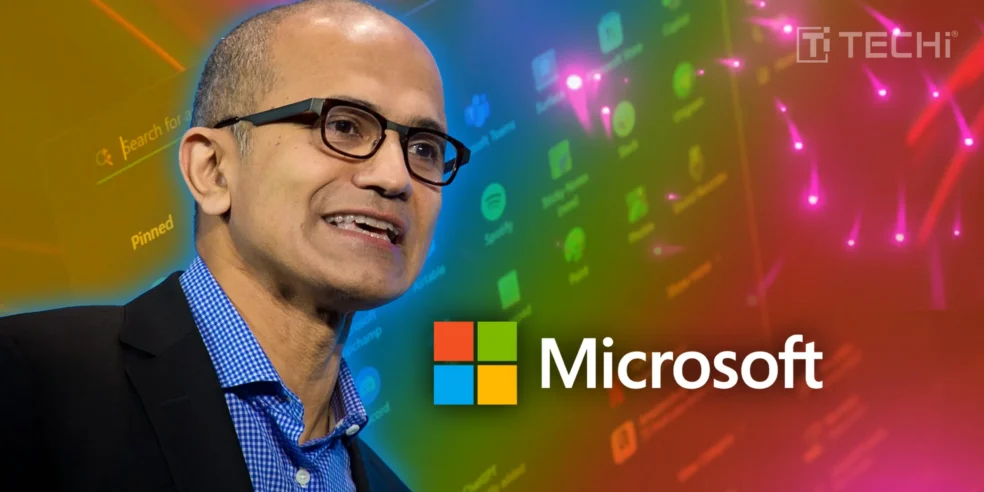

Microsoft’s upcoming earnings report arrives at a moment when investor expectations are high but increasingly cautious. The company’s stock has surged over the past year, largely driven by its leadership in cloud computing and generative AI. Traders are now pricing in a roughly 4 percent move in the stock following the results, reflecting a blend of optimism about continued growth in Azure and concerns about valuation pressures in a slowing global economy.
Microsoft’s performance is closely tied to the trajectory of its Intelligent Cloud segment, which includes Azure. The market will watch whether cloud revenue growth can accelerate after moderating earlier this year. Recent reports indicate strong enterprise demand for AI-integrated services, including tools powered by OpenAI’s technology.
However, margins could narrow if operating costs rise due to heavy AI infrastructure spending. Analysts expect that near-term profitability might soften as Microsoft continues to invest in data centers and chip development partnerships.
Another key focus will be Microsoft’s Productivity and Business Processes division, home to Office 365 and LinkedIn. Subscription renewals and AI feature adoption could help sustain double-digit growth. Yet, economic uncertainty in Europe and Asia may slow enterprise renewals.
Advertising trends on LinkedIn also remain mixed, suggesting limited upside in that segment. The company’s More Personal Computing unit, which includes Windows and Surface hardware, is expected to stay flat, as PC demand has stabilized but not recovered strongly.
Options traders’ expectations of a 4 percent post-earnings swing suggest that markets anticipate moderate volatility rather than a major surprise. This is lower than in prior quarters, implying greater confidence in Microsoft’s steady performance.
However, such a narrow range also signals that much of the good news may already be priced in. With Microsoft trading near record highs, even a small revenue miss or cautious guidance could trigger short-term selling.
From a broader market perspective, Microsoft’s results will influence sentiment across the tech sector. As one of the largest components of major indices such as the S&P 500 and Nasdaq 100, its earnings often shape short-term movements in both benchmarks. A strong showing could reinforce the narrative of resilient mega-cap tech earnings, while any disappointment could pressure peers like Alphabet and Amazon, which also rely on cloud and AI narratives to support valuations.
In the long term, Microsoft remains in a strong strategic position. Its integration of AI into everyday products, from Office to GitHub, has expanded its reach and deepened its ecosystem advantages.
However, investors must weigh the balance between growth potential and margin stability. AI infrastructure costs, competitive pricing from Google Cloud and Amazon Web Services, and regulatory scrutiny over acquisitions such as Activision Blizzard could all affect medium-term profitability.
Overall, the options market’s expectations reflect stability, not complacency. Traders see Microsoft as a company with dependable fundamentals but limited near-term catalysts. Unless the earnings report reveals a meaningful acceleration in AI monetization or cloud growth, the stock’s movement may remain contained within the projected range.