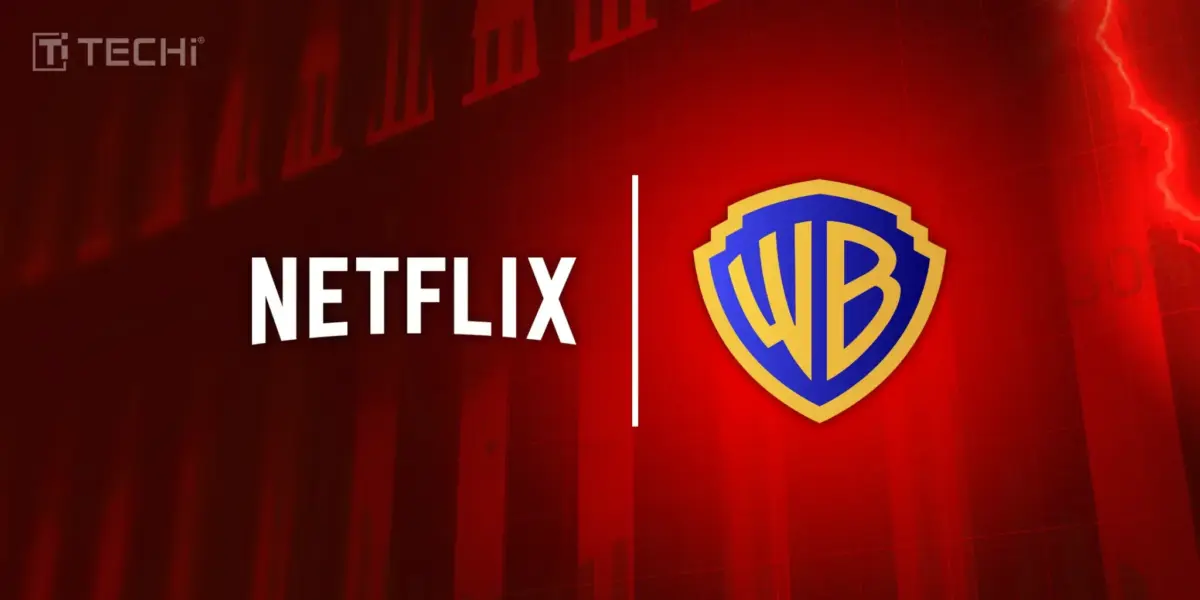
Netflix has not changed its view on the projected acquisition of assets from Warner Bros Discovery, which is a sign of its confidence despite the media industry’s consolidation pressures.
On Monday, the co-CEOs of Netflix, Greg Peters and Ted Sarandos, in a letter to the staff described the aggressive offer from Paramount-Skydance as “entirely expected” and asserted that it would not change Netflix’s strategic direction.
The letter said,
“We haven’t prioritized theatrical in the past because that wasn’t our business at Netflix. When this deal closes, we will be in that business”.
The message over here is quite clear that the corporation considers its partnership as secure, intentional, and one that has a long-term value.
A Shift in Strategy towards Theatrical Releases 🔗
The most striking thing about Netflix’s position is its strengthened dedication to the theater for Warner Bros’ films. In the past, Netflix always prioritized the streaming-first distribution model, but the company has now recognized that theatrical release is a necessary and classic component of Warner Bros’ business and legacy.
Netflix pointed out that its earlier lack of concern with theaters was not a matter of ideology, but was a matter of infrastructure. The company claimed that once the agreement is finalized, theatrical distribution would be a substantial part of its operating model. This would become a strategic evolution rather than a contradiction of its past approach.
Regulatory Path and Deal Confidence 🔗
Netflix regarded the deal as “solid,” explaining that it was confident that it would still have the consumer benefits, while being able to pass the regulatory scrutiny. When regulators are getting more and more suspicious about media and tech mergers, the calm behavior of Netflix indicates that the company thinks the deal does not violate the competitive rules, but it corresponds with them.
The firm presented the deal as an addition, which increases the access to content and the means of distribution, while not disturbing the equilibrium of the market.
Industry Context and Competitive Undercurrents 🔗
The comments were made when the tensions caused by the deals in the entertainment world had increased, as the existent media corporations and the streaming platforms were fighting for the size of their businesses, the ownership of the content and the power of the distribution.
Netflix’s attitude toward the Paramount-Skydance offer gave a sense of acceptance, where it showed that competition is unavoidable in a merging industry. The rival company is not on the defensive side, but has its eyes on the execution and has placed its bet that the combination of its scale, consumers, and a constantly evolving content strategy will help it to be on the top, no matter what the competitors do.
Bottom Line 🔗
Netflix’s consistent tone signifies a company that is sure of its game plan, even though the media world is going through yet another rough and wild phase of alliance. By welcoming theater releases and reiterating trust in its Warner Bros Discovery agreement, Netflix is conveying a message of adaptability that is accompanied by uncertainty.
The actual challenge will be faced after the merger when the combination of implementation, regulatory matters, and audience reaction will reveal whether this strategic move has made Disney+ more powerful or it has just increased the risks involved.