
In the developed world, the Internet has changed our lives in a way that nothing else has, or probably ever will, but there are many parts of the world where this vast wealth of information and resources isn’t accessible. This is where a startup known as Outernet believes it can be of assistance. Using rented communications satellites, Outernet is already bringing the Internet to half of the planet’s surface, but not the entirety of the Internet, just the resources that can prove useful to people in less developed nations, such as Wikipedia.
Two Takes
View TECHi Stance
Outernet is beaming the important parts of the Internet down to Earth
Bbc
View all Bbc Two Takes by TECHi
Read the original story
Published May 15, 2015
TECHi's Take

What do you get if you cross a satellite TV receiver with the Internet? According to startup Outernet, a way to bring billions more people the benefit of online information. By renting communications satellites, Outernet is currently blanketing about half Earth’s surface with a signal that transmits data including much of Wikipedia, open-source software, health resources from the Centers for Disease Control, and international news coverage. Cheap devices based on regular satellite TV receivers store the data that the signal gradually transfers and create a local Wi-Fi network to let nearby computers, phones, or tablets access the downloaded content. Outernet is putting together the first 100 prototypes of those devices, code-named “Pillars,” and starting to test them in the field. One is up and running in a village in western Kenya. Another is in the Dominican Republic, and a third will soon be installed at a Detroit anarchist community attempting to live off the grid. Outernet’s current signal broadcasts about 200 megabytes of data over the course of a day, making it possible to update content such as daily news and weather forecasts periodically. It covers North and Central America, all of sub-Saharan Africa, Europe, and parts of Asia and the Middle East.
NOTE: TECHi Two-Takes are the stories we have chosen from the web along with a little bit of our opinion in a paragraph. Please check the original story in the Source Button below.
Balanced Perspective
TECHi weighs both sides before reaching a conclusion.
TECHi’s editorial take above outlines the reasoning that supports this position.
More Two Takes from BBC

The chief executive officer of Google, Sundar Pichai, has warned against unquestioningly trusting the information produced by AI systems. As…


Google is not replacing its traditional search engine, but this new feature marks a serious shift in how people will…
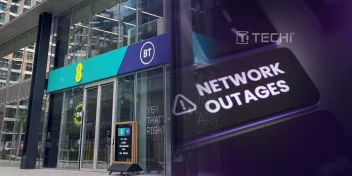

The problem is a severe network outage affecting customers of EE and BT which disrupted many services in the United…


Facial recognition using visible light is one thing, doing it the dark using infrared images is something else entirely. Facial…