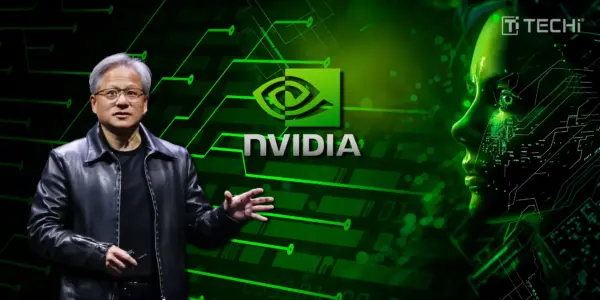
Samsung’s expected 39% drop in second-quarter profits clearly reflects challenges other than just short-term delays. The main issue is the hold-up in certifying and supplying their advanced HBM3E 12-layer chips to Nvidia, a crucial player in the AI chip market. This delay has a direct impact on Samsung’s revenue because Nvidia is a key customer driving demand for these high-performance chips in the market. Without timely approval and delivery, Samsung cannot capitalize on the fast-growing AI chip market like its competitors SK Hynix and Micron have done.
From an analytical viewpoint, this problem highlights Samsung’s slower product validation process compared to rivals which is critical in an industry where speed to market is everything. The fact that Samsung expected progress by mid-2024 but hasn’t achieved it yet points towards either internal inefficiencies or technical hurdles. Samsung is losing ground to competitors who are already supplying similar chips to Nvidia and other AI data center customers.
The heavy reliance on the Chinese market has become a vulnerability for Samsung. U.S. export restrictions on advanced semiconductor tech to China have really limited Samsung’s growth opportunities there, reducing overall profitability.
The smartphone business is holding steady for now, mainly due to stockpiling before anticipated U.S. tariffs, but this won’t solve the bigger issues with their chip business. Trade tensions and regulatory uncertainty are creating an unstable environment across Samsung’s key sectors, adding more pressure on overall profits.
Looking ahead, Samsung’s future hinges a lot on how quickly it can get Nvidia’s approval for its latest chips. Fast certification and increased shipments would improve Samsung’s competitive position and help recover lost revenues. Otherwise, the repetitive delays will prolong the profit slump and allow rivals to strengthen their foothold in the fast-growing AI chip market.
How Samsung manages these factors in the coming months will determine its ability to keep pace in a rapidly evolving AI-driven industry.