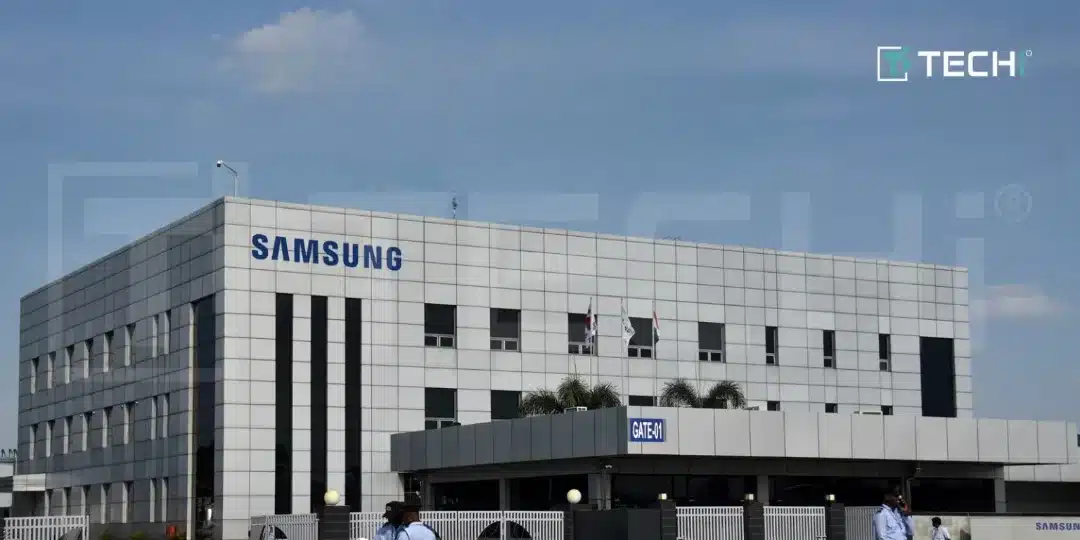
Samsung is on the verge of manufacturing CMOS image sensors (CIS) at its Taylor, Texas, factory. It is a move that might be related to the iPhone that is destined for the future. The Elec reports that the company has started the process by posting job vacancies for the technical and electrical project managers, along with the confirmation of the installation of the crucial production infrastructure that is just around the corner.
Along with the new employment, the gas and water systems will be set up first, which are among the most critical utilities for semiconductor manufacturing. The job openings indicate that Samsung is moving on from planning to the actual implementation of activities, and this is a significant realization that the site is to become fully operational.
Importance of Cleaning Equipment
On top of basic infrastructure, Samsung is also bringing in engineers and technicians who will be responsible to operate wafer-cleaning equipment, which is a difficult job that is vital yet often unnoticed in the world of chip manufacturing.
The cleaning procedures that take the impurities off silicon wafers can, at times, stretch to 40% of the total production time.
This process illustrates Samsung’s commitment to running a top-notch and a modern day production line, rather than a limited pilot testing area.
The cleanliness of the wafers is of utmost importance for image sensors, as even the tiniest flaws can impact the performance of the camera, which is something that Apple is absolutely not ready to compromise on.
Long-Term Commitment
Rumor has it that Samsung has notified the Austin city authorities of its intention to spend up to $19 billion at the Taylor site. A major part of the money will be used for the maintenance and repair of the plant, along with the acquisition of high-tech manufacturing equipment, which will strengthen the notion that this is not a temporary or just a symbolic investment.
If everything goes according to the schedule, the very first CIS production could get started as early as next March, but the production volumes during the very first stage of production would most likely be limited.
Volume is Still a Question
There has been a lot of talk in the industry about these sensors made in Texas for the iPhone 18. The timeline is still valid, but the issue regarding its scale still remains. Even if Samsung is to start up in March, Apple’s huge volume demand for sensors would mean that others will have to support Samsung’s supply with their resources.
Manufacturing Push
The move closely coincides with Apple’s plan of increasing its U.S manufacturing footprint. In August the company declared its plans of $100 billion investment in U.S manufacturing, and around the same time the news regarding Samsung’s CIS production with the iPhone 18 also emerged.
By more components being manufactured in the U.S, Apple’s supply chain will be diversified, the geopolitical risk will decrease, and the political and regulatory pressure for more technology production domestically will be easier to meet.
Bottom Line
Samsung’s Texas strategy is not just about a factory upgrade, it is actually a quiet but meaningful change in the future of iPhones. Challenges regarding scale and timelines are still there, but the move is indicative of a stronger partnership between Apple and Samsung in the U.S.
If it happens, the iPhone 18 will not only take better photos, but it will also provide a clear understanding of the direction that Apple wants its supply chain to go.