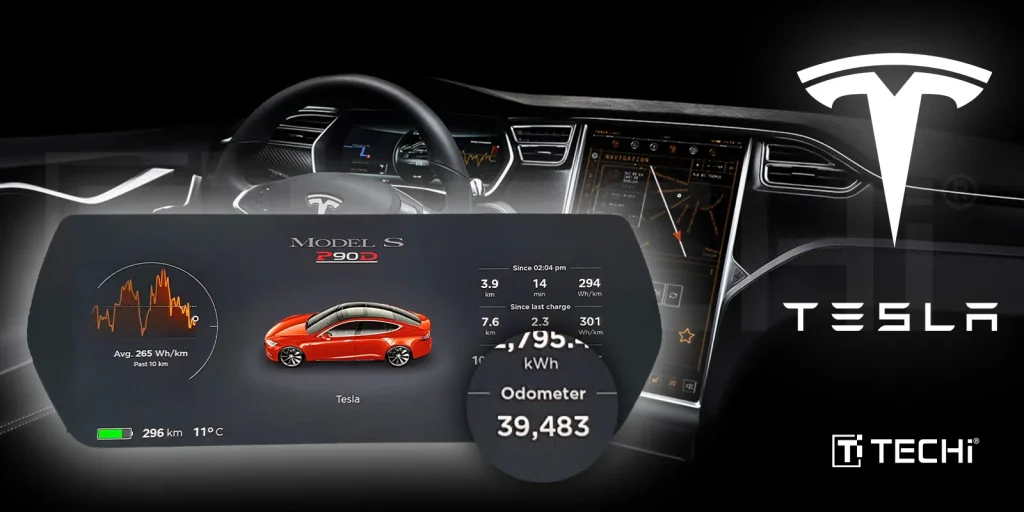
When the car is driving itself, one can least expect from the car that it would keep an honest count of miles. In the case of a new lawsuit, it is being alleged that Tesla added instead a bit of creative math behind the hood. The electric car maker, known for its fancy tech and wild tweets from Elon Musk, is facing accusations that its odometer readings are altered to quietly squeeze a little extra from customers’ pockets.
Tesla, yet again, is under legal scrutiny, not this time for its self-driving claims or another political turmoil, rather for something more quantifiable, mileage. A proposed class-action lawsuit filed in California claims that Tesla may have consciously been inflating odometer readings on their vehicles in order to rob unsuspecting owners of warranty coverage while pushing them to get repair coverage under an extended warranty.
Legal Battle 🔗
The suit was filed by Nyree Hinton, he observed that his vehicle was logging 72 miles per day. When, in fact, he only traveled for 20 miles to and from work. He claimed that the company lied about the distance its cars actually traveled in an effort to terminate warranties too early and increase revenue from repairs after warranty expired. That extra mileage pushed the vehicle over the limit of 50,000 miles for warranty coverage, thereby invalidating the Basic Vehicle Limited Warranty for coverage of repair costs.
The accuser affirms that odometers installed in Tesla vehicles do not measure physical distance at all but derive this information from estimates made on the energy consumed and the behavior of the driver. The plaintiff claims that these illegal practices have resulted in inflated mileage readings that are advantageous to Tesla. The suit alleges that
“Tesla Inc. knowingly overstates the distances traveled in Tesla Vehicles, or at minimum tolerates substantial inaccuracy in distances traveled in Tesla Inc.’s favor, such that the ‘odometers’ in Tesla Vehicles indicate greater distances than what they actually travel”.
Warranty Limits & Exaggerated Incentives 🔗
If this practice is proven to be true, it would have an impact not only on one repair bill but thousands of Tesla owners, the majority of whom have warranties or leasing agreements directly tied to odometer readings. The accuser mentioned that Tesla used inflated mileage to reduce liability under regular warranties, induce customers into buying extended warranties, and increase revenues from repairs that would otherwise be covered. The suit alleges,
“By tying warranty limits and lease mileage caps to inflated odometer readings, Tesla increases repair revenue, reduces warranty obligations, and compels consumers to purchase extended warranties prematurely. Tesla has thus misled, induced, and defrauded consumers from obtaining the benefits of Tesla Inc.’s warranties.”
Legal Troubles for Tesla 🔗
This lawsuit has added yet another chapter to the automaker’s already growing stack of troubles ranging from federal probes of autopilot accidents to shareholder complaints. The latest allegations concerning odometers have not been publicly commented on by Tesla, but the class action status could very well attract national attention especially from regulators and consumer protection agencies.
If the allegations of the lawsuit are true, the spotless image of Tesla as a cutting-edge automaker would take yet another hit, at least as a company that prides itself on innovation and transparency. Inflated odometers are not just a technical glitch, they have a trust repercussion in a time when most consumers are generally skeptical of warranty and it causes long-term trust issues.