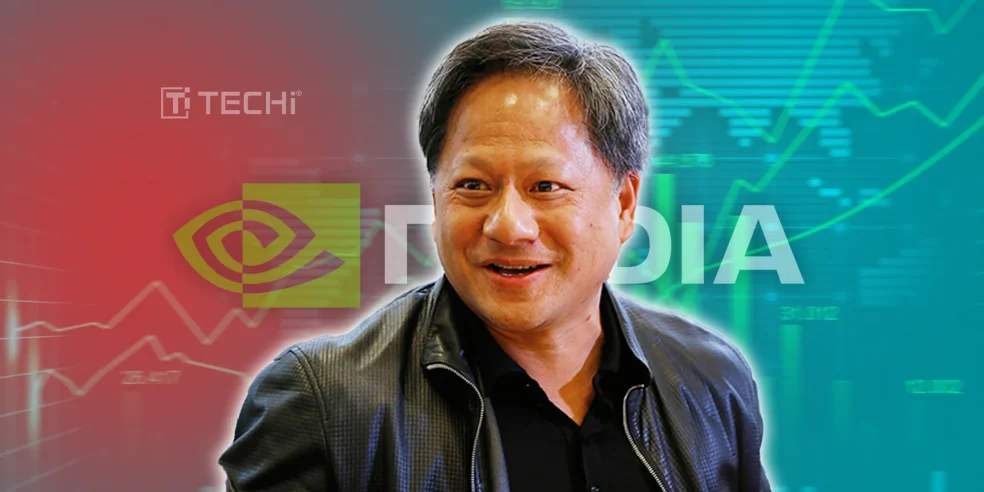

Jensen Huang, Nvidia’s chief, has recently made it incredibly clear how vital TSMC is to his company and the future of advanced chip technology. By qualifying TSMC as one of the biggest companies in history, and declaring that purchasing a stock of the company is an excellent idea.
Huang broadcasts a message not only about his right of confidence in its own potential but also about the persistence of the necessity of severe chip-producing partnerships. Nvidia is dependent on TSMC to manufacture its products, particularly as the company moves into the generation of faster and more power-efficient chips in the AI age.
This is a reflection of the pivotal role that this alliance played in the Nvidia roadmap since he made his visit to Taipei. The company is deploying its next-generation AI chip platform: Rubin, with each and every chip entirely new. Such a high degree of innovation requires the fabrication expertise and scale of TSMC.
In simple terms, Nvidia would not be able to remain competitive in the way it is without the services of TSMC, and TSMC cannot remain dominant in the global chip manufacturing industry without clients like Nvidia. It is a mutually beneficial situation that is fueling most of the innovation in hard-AI of today.
Meanwhile, there is a clear geopolitical difficulty. Huang was swift to rule out backdoor allegations in Nvidia products and also indicated that it continued negotiations with the US government regarding the sale of chips in China.
The discontinuation of certain China-centred products demonstrates the effect of the political decision-making process on the business. Though Nvidia wants to satisfy the demand for AI chips in every corner of the world, its policy in China is interacting with the demand in a certain way.
When we focus ahead of us, the future of Nvidia and TSMC looks good. AI workloads have been increasing exponentially across industries, and companies desire much faster chips at scale. Rubin is a giant leap, and if Nvidia and TSMC maintain a strong partnership, both will be at an advantage, and of prime importance in the future is how they cope with growth amidst political restrictions.