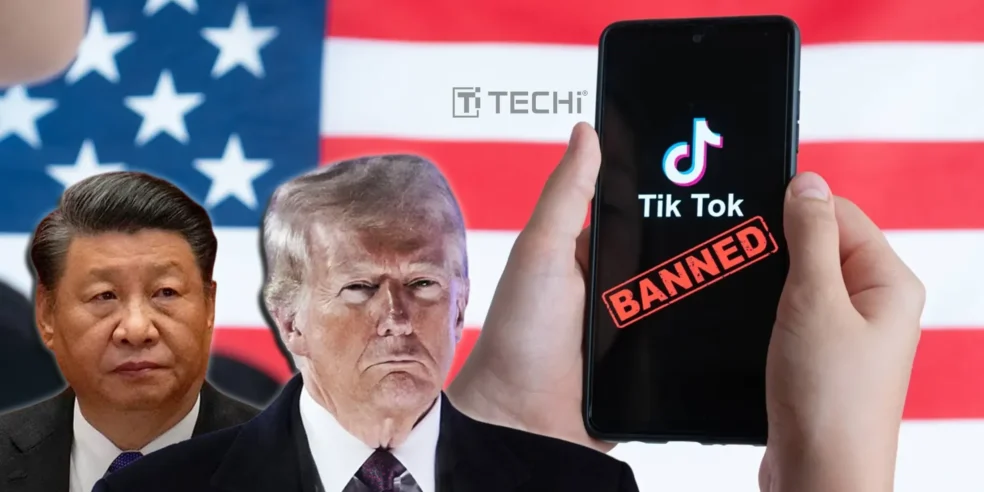

The United States and China TikTok agreement is another significant event in the friendship between two giants which dates back to a long time. The time spent talking in Madrid resulted in a framework that might enable Tik Tok to keep on operating in the U.S. under new conditions. The app has been at risk of being banned in America after over a year unless it transferred to U.S. ownership. A move toward that change is the new structure described by the U.S Treasury secretary, Scott Bessent. Although he went into details, the way is obvious: Tik Tok will be forced to act under the control of the Americans, in case they do not want to be out of business in the U.S.
It is not just a deal involving a single company. Tik Tok is a representation of the overall conflict between Washington and Beijing on the issues of trade, technology, and security. The U.S. government has been on the offensive that Tik Tok is dangerous due to the Chinese ownership whereas China has been countering the accusation with claims that it is a general economic debate. Negotiators in Madrid linked the Tik Tok negotiations to tariff and technology restrictions, and other trade issues. With an agreement achieved at a framework, both parties have prevented an imminent crisis before September 17 deadline which would have led to the closure of Tik Tok.
The framework agreement provides breathing space. U.S. Trade Representative Jamieson Greer indicated that it is even possible to have a temporary extension in order to conclude the deal. There would have been no extension, indeed, without some sort of structure. That remark indicates the extent to which Washington was serious in ramming through a solution. The Biden administration had indicated that even in case ownership of Tik Tok had not changed, it could still be banned. China on its part had been unwilling to yield to U.S. pressure on tariff requirements and technology transfer restrictions. By associating the destiny of Tik Tok with broader trade discussions Beijing stood at advantage but at the same time it was risky.
The U.S. has hundreds of millions of users on Tik Tok and banning it would have created a political and social backlash. The app is used by many young voters, businesses, and influencers. Meanwhile, letting it go on as it is might have been perceived as a security vice. This is a strain that made both party’s compromise. To Washington, the framework provides a way to greater control. In the case of Beijing, it does not have to face immediate humiliation of witnessing one of its most successful international apps being pushed out of the American market.
The Madrid negotiations also looked into more extensive collaboration than TikTok. Bessent mentioned that the two countries ought to collaborate in fighting money laundering and curbing trade in the illegal fentanyl. These are the fronts on which the U.S and China have overlapping interests, despite conflicting in other fronts. With the dialogue being open, both parties can possibly lower the amount of friction elsewhere in the relationship.
Nevertheless, the truce is hardly solid. It is just a structure not a definitive agreement. Information about the manner of implementation of U.S. control is not clear. Will Tik Tok be fully sold to an American company or will it be governed through a new model that will please both governments? The questions will determine the success or failure of the deal in the next few days. It is still clear that the process is not over as another round of negotiations will be held soon.
The timing is also important. Political pressure in and around China is great with U.S elections nearing. Even the former President Donald Trump, who has already advocated a ban on Tik Tok, has already cued his own contribution to the debate. The team of President Biden desires to seem hard on China and at the same time does not want its economy to collapse. In the case of China, it is to protect its businesses and leave the trade channels open.
Ultimately, Tik Tok structure is not about a single application but the ability to deal with competition between two largest economies in the world. Its association with tariffs, technology regulations, and policy in general demonstrates the interconnectivity of these conflicts. Madrid was a transient solution and the tensions still exist. It will rest on the actions that both groups will take as the next steps to determine whether this deal will be a template of cooperation or another step in a long conflict.