
At first glance, the $10 difference between $70 and $80 might not seem like a deal-breaker. But in gaming, perception is everything. And the players reacted immediately.
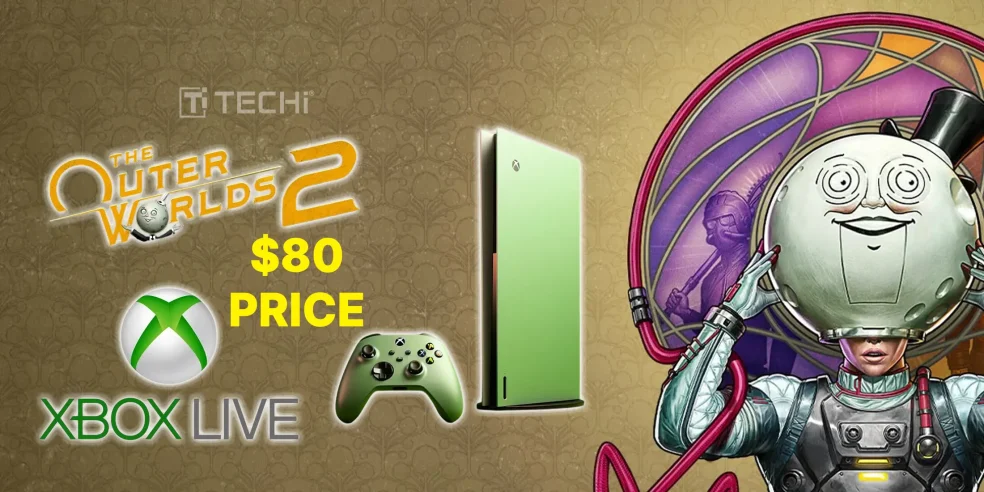
The controversy wasn’t driven by affordability. Most gamers could manage the extra ten dollars if they truly wanted the game. There was no gameplay reveal and no release date, this was just a sequel with legacy potential slapped with the highest price in Xbox’s current lineup.
The move felt arrogant, even cynical. Especially for a game that is built on themes of anti-corporate satire, the irony wasn’t lost on the community. Players were being asked to pay more for an experience that hadn’t even been shown to them.
There was no collector’s edition, no deluxe packaging, with no added perks. It was just a quiet $10 increase that seemed to ask: “What happens if we do this without justifying it?”
The answer was just swift and unforgiving. Today, most people now see $70 as the new normal price for big video games, even if it feels a bit high. It’s not loved, but it’s accepted in the gaming world.
To Xbox’s credit, they backtracked quickly. Refunds were issued in a clean and fast rollback that respected every players frustration. That response mattered, it acknowledged the error without deflection. But the fact that this happened at all speaks to something bigger which is a growing tension between rising development costs and consumer tolerance.
This wasn’t merely about The Outer Worlds 2. It was just a glimpse at where the industry is headed. As costs climb and publishers inch toward higher pricing models, we’re likely to see more of these trial balloons. The question now is how many will pop before one finally holds.
The industry wants to move toward $80 games. That much is clear. Nintendo’s recent pricing experiment with Mario Kart World opened the door. Gearbox’s Randy Pitchford made headlines for suggesting that “real fans” would find a way to afford Borderlands 4 at $80.
Executives and analysts keep citing market forces and rising expenses. But what they keep underestimating is how gamers interpret these moves, not as economic inevitabilities, but as tests of loyalty and patience.
In hindsight, that $80 tag was a message and a litmus test. One that asked: “Will players let us move the goalposts again?” This time, the answer was no. But next time, who knows?
What The Outer Worlds 2 shows is that the audience still has a voice, and when they use it together, it can change the outcome. The price of games may keep rising, but publishers now know they can’t do it quietly or casually. They’ll need to justify it every time.
Because if they don’t, the response won’t just be complaints.