
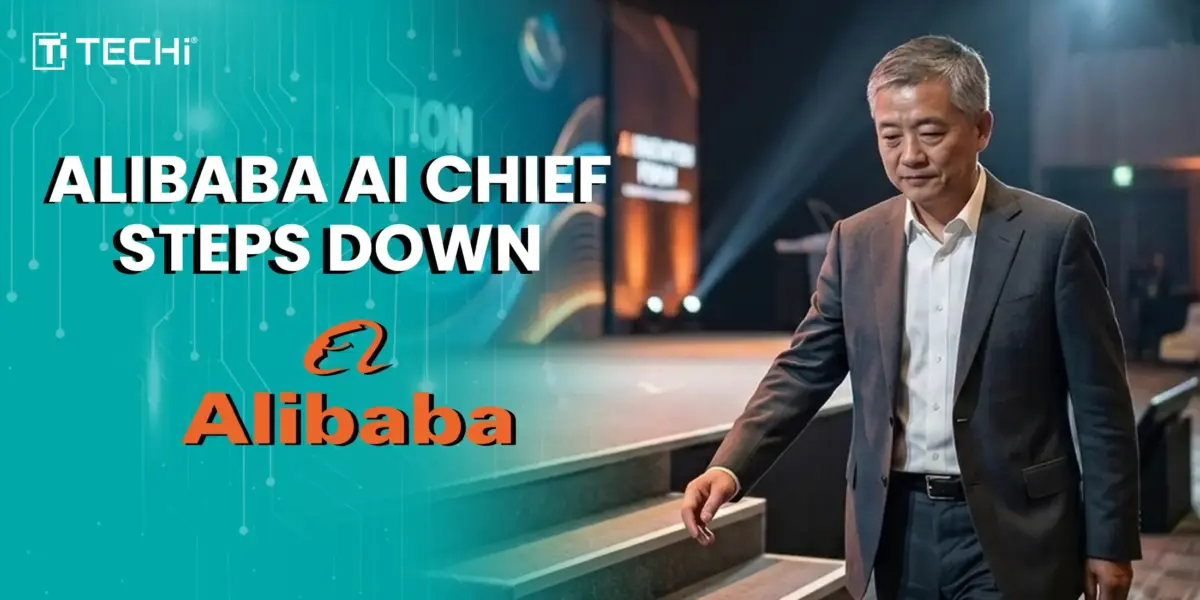
Alibaba’s AI division saw a sudden leadership shift after the Qwen models’ public launch. Division head Lin Junyang resigned on X within two days, posting, Bye, my beloved Qwen. Senior researcher Binyuan Hui and intern Kaixin Li later resigned off the record.
Alibaba declined to comment to Reuters, fueling speculation about the reasons for these exits in China’s competitive AI industry. This rapid progress has now been disrupted by the leadership departures.
Qwen’s Future Direction
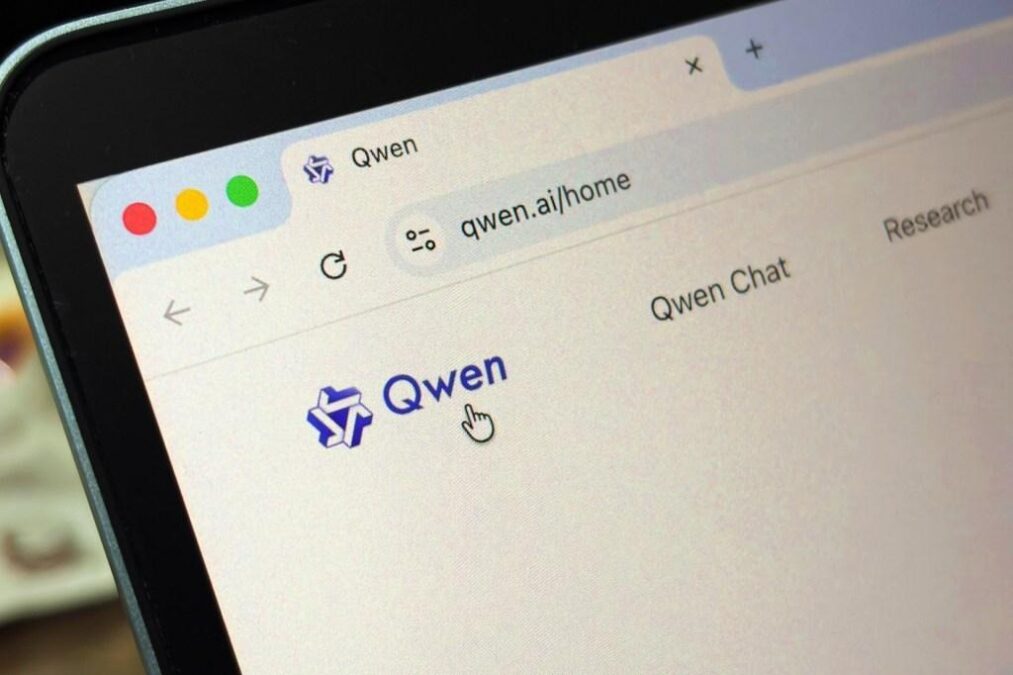
The above-mentioned category of people was the key towards the transformation of Qwen, a prototype in a laboratory to a world product. They have published many open-source models since last summer, which have resulted in over 600 million downloads across the world. This has resulted in a huge reaction of users using the Qwen mobile application, as it reached 203 million monthly active users (MAUs) as of February 2026, compared to 31 million in January, as reported by AICPB.com on February 23.
The promotion of the app during the Lunar New Year period helped it to climb the lists of the world in position three, being ranked only after ChatGPT 450 million MAUs and Doubao by the company known as Bytedance 250 million MAUs. Analysts explain this fast growth as a result of an aggressive user acquisition policy in line with the overall technological program in Beijing. The loss of key figures prompts a deeper look into the reasons behind their exit. Though there has not been any official announcement, the timing of the resignations indicates that there are tensions.
Qwen has international recognition that has been achieved through its dedication to an open-source model, but the organization is under pressure due to the U.S. limitations on semiconductor production and competition with the domestic players, including Ernie, owned by Baidu, that claimed a 180million MAUs. According to Wedbush analyst Dan Ives, the exodus of talent is an indication of underlying structural issues, and thus, the AI talent in China might be looking to be more free or better compensated, amid export controls and increasing regulatory pressure.
Uncertain Road Ahead
This may be a significant step backwards in terms of user retention in the face of a market where a new model is released every week and potentially jeopardize the momentum Qwen has built to date due to the loss of these foundational architects. Alibaba Cloud, where artificial intelligence has become one of the main drivers of projected growth in revenue by 40% in the current fiscal year, needs to hasten its stabilization.
This competitive landscape is predicted to become quite intense, and some rival companies will probably turn toward the displaced personnel, thus redefining the competitive environment in the global AI industry.