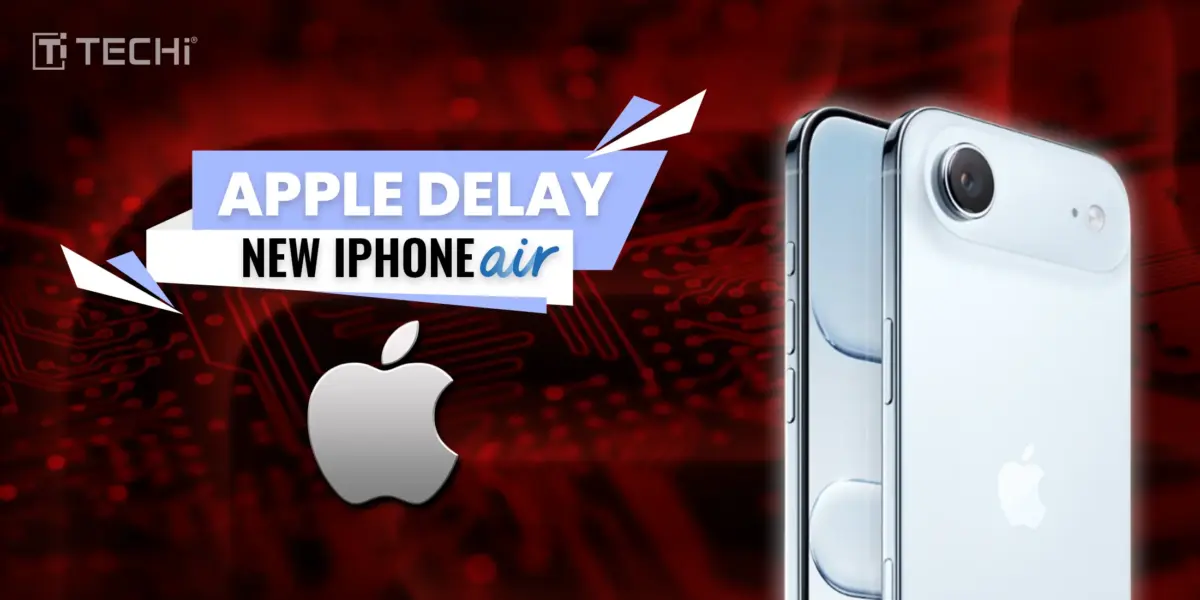

Apple’s decision to delay the next iPhone Air model reveals challenges in balancing innovation with consumer expectations.
Launched in 2025 as a lighter and slimmer alternative, the iPhone Air aimed to attract users wanting a premium feel without the bulk.
However, trade-offs like a smaller battery and simplified camera features have led to weaker sales than anticipated. This hit Apple’s plan to refresh the lineup in fall 2026, forcing the company to pause the rollout.
The delay shows how competitive the smartphone market remains, even for a brand as powerful as Apple. Consumers expect high performance and longer battery life alongside sleek design.
The iPhone Air’s weaker demand suggests that compromising on core features could limit mass appeal.
Apple’s move to support eSIM-only connectivity in China reflects a push toward future tech but may not be enough to sway hesitant buyers.
It points to a cautious approach while assessing customer feedback and market trends.
Looking ahead, Apple will likely focus on refining the iPhone Air concept before relaunching it. This pause provides time to improve battery capacity and camera capabilities without sacrificing design.
It also gives Apple space to experiment with new technologies like eSIM more broadly.
For investors and the mobile industry, this is a reminder that innovation must meet consumer needs to succeed.
Overall, Apple’s delay of the iPhone Air update highlights the complex balance between design, technology, and user demand.
How Apple adapts will shape its position in the premium smartphone segment in the coming years.