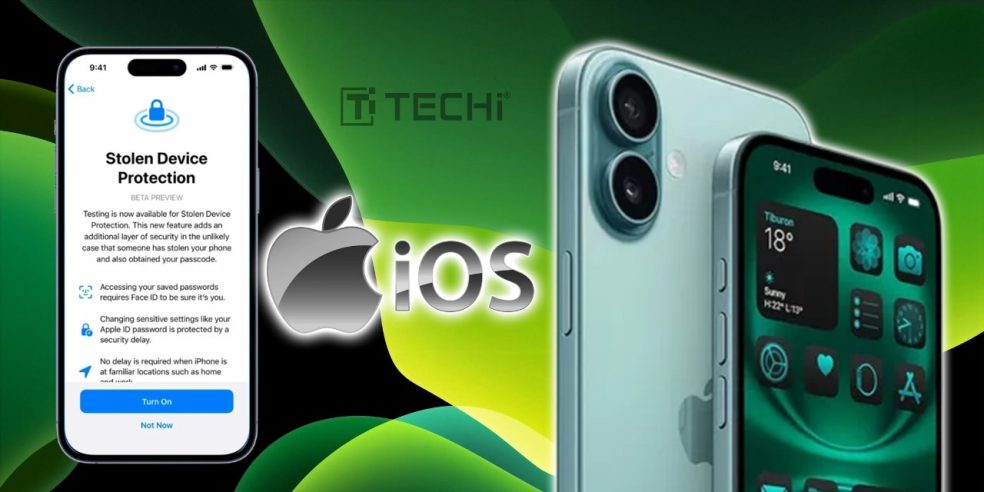

The case between Apple and Jon Prosser is a dramatic shift in the relationship between technology giants and information leakers. What is central to the case is not merely the leaks, but the alleged planning of a breach that was bigger than routine speculative journalism. Instead, this case is based on the allegations that Prosser was involved with providing unauthorized access to a developing iPhone and relied upon direct familiarity with the unreleased iOS 26 capabilities to generate content that was viewed significantly before Apple did so.
This scenario emphasizes the potential benefits of knowing about software early enough in this competitive era of technology. Firms such as Apple invest years in creating new features and a design language, and leaks before the official release can derail their control over the narrative.
In the case of Apple, the first show of its innovations is a principle of its brand, and leaks not only remove the surprise, but may give away assets or ideas that can be run with by competitors. The move to sue will serve to inform others that Apple will no longer tolerate foul play when it comes to its intellectual property and its internal regulations.
In addition, there is also the issue of the boundary between tech journalism, YouTube commentary, and insider leaking, which the case highlights. Prosser states that he knew nothing about how the information was acquired, but a massive number of viewers saw his content.
In the future, this lawsuit could establish a new precedent in the manner in which companies deal with leaks. It may encourage tech companies to explore more security solutions and employee control, and it also may result in sources and leakers being more careful.
Similarly, the audiences and industry observers will experience less public leakage of new ideas, in the short run, as Apple and others improve their internal security processes.