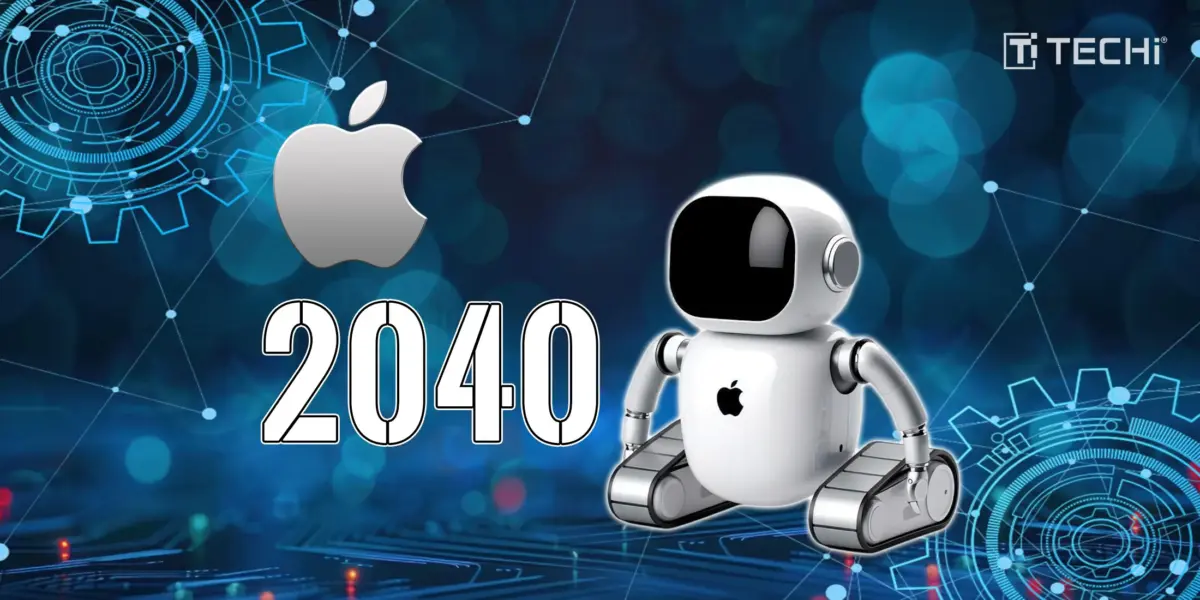

Analysts from Morgan Stanley foresee Apple diving into robotics as its next big business, predicting this sector could generate about $130 billion annually by 2040.
This revenue would put Apple’s robotics division on par with its hugely successful App Store and well beyond the combined income from Mac and iPad sales.
The journey begins in 2027 with Apple’s first robotic product, a motorized tabletop hub that moves, tracks users, and assists with daily tasks.
This device reflects Apple’s typical approach of entering new markets cautiously, refining their products until they feel intuitive and reliable.
The effect of Apple’s move into robotics could be transformative, not only for the company but for how people interact with technology in their homes and workplaces.
By blending powerful AI, custom hardware, and a vast ecosystem of connected devices, Apple aims to extend its digital experiences to physical environments.
Robotics could become Apple’s fourth main pillar alongside iPhone, Mac, and Services, reshaping its business and the consumer tech landscape.
This new platform shift builds on Apple’s existing AI capabilities, enabling robots that understand, learn, and adapt in real time.
Looking ahead, Apple faces tough competition from companies like Tesla and Boston Dynamics but has the advantage of a slow, methodical product development strategy focused on integration and user trust.
Starting with simple home robots, Apple could scale to humanoid and industrial robots as AI advances and manufacturing costs fall.
If successful, Apple’s robotics revolution will change how people live and work with robots seamlessly working alongside humans, all within Apple’s trusted ecosystem.