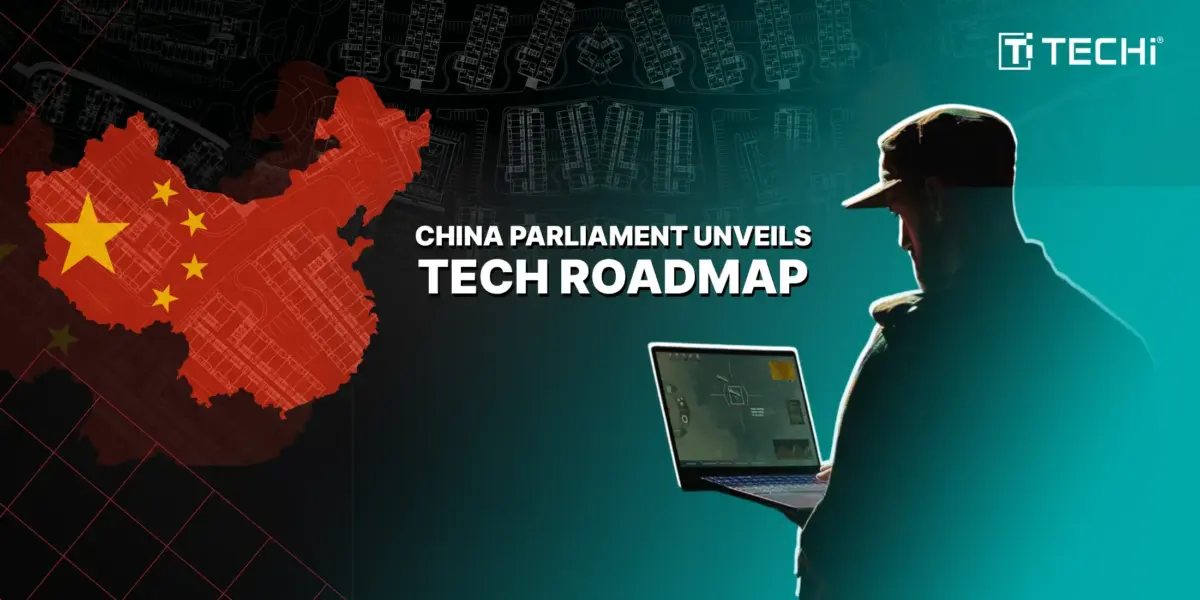
The capital of Beijing is on the verge of a big-time confrontation. This week, the National People’s Congress was inaugurated on Thursday, and it tabled its work report on government, fiscal budget, as well as the fifteenth Five-year plan of 2026-2030. The expected policy frameworks are to heighten the production of artificial intelligence, robotics, and space technologies into industrial powerhouses and arouse competition with Western counterparts.
AI Shock Turns to Scale
The year before was the point of departure. The algorithmic design that was presented by the Chinese startup DeepSeek recorded significant market penetration that attracted a global technology sell-off despite the U.S. semiconductor restrictions. The 23 February 2026 state statistics indicate that the investments made by China in artificial intelligence were USD 20‛or more in the fourth quarter alone, and its models have reached performance metrics comparable to GPT -5.
The NPC documentation will focus on the strategy of an AI-plus manufacturing, according to which the large state-owned enterprises will be used to scale up startup innovations. According to analyst Alfredo Montufar -Helu of Ankura Consulting, the shock is over. Logically, it becomes a question of what China will produce next.
Robots and Rockets Surge
Humanoid robotics have caused most people to pay attention after spectacular performances of robotic groupings at the CCTV gala. The sector has over 150 businesses, but material technological improvements, such as agile agnostics in Unitree, are signs of maturation. Land Space is the lunar satellite firm that is trying to salvage its Zhuque institutional reusable launch vehicle in the ongoing calendar year, after attempting an orbital test in December the previous year.
However, analysts are warning that industry convergence would probably pick up; a Japanese analyst, Shin Nakamura, foresees a growing gap between large-scale companies and small- to medium-sized companies, which will drive further consolidation in the areas along the same lines as the electric-vehicle market.
Supply Chains As Weapons
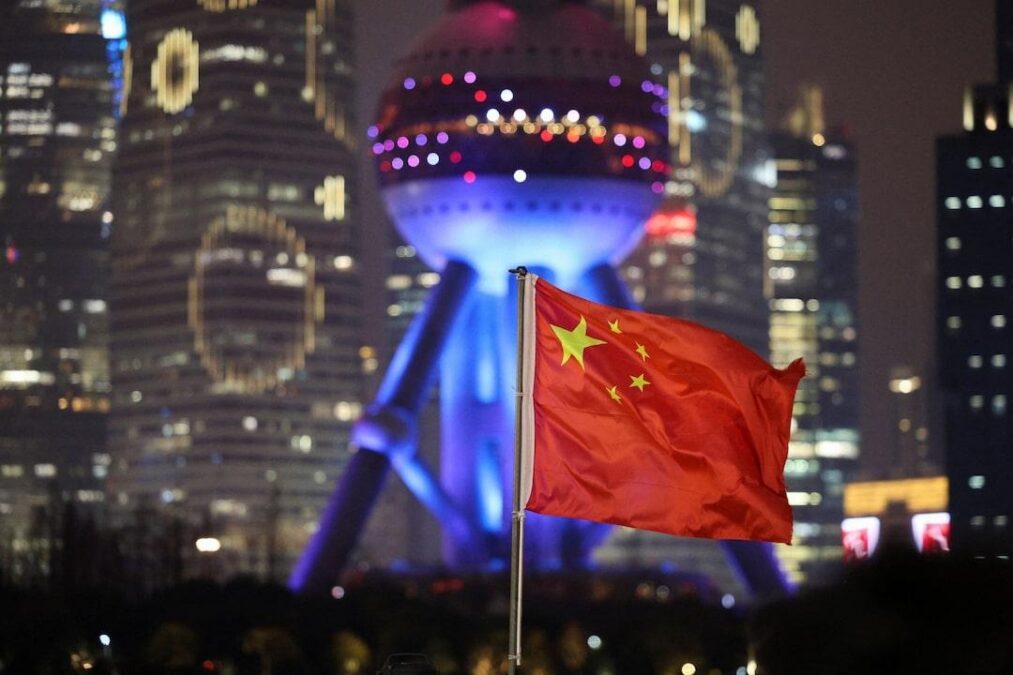
The export ban on rare earth elements and semiconductor materials by Beijing in the previous year has had an impact by disrupting the global supply chains, leading to a price hike of 1520%, According to the Rhodium Group analysts, the emergence of new technologies will not explain 5% of gross domestic product; therefore, it can be expected that export activities will still remain a key focus. In the Future, the Xi -Trump Summit, March 31-April 2, should be prominent.
Prospective issues take into consideration the Xi-Trump summit planned between 31 March and 2 April, which has tremendous weight. In case China puts more emphasis on autonomous driving and manifests artificial intelligence, it will be able to gain a three to five-year lead; the BioMADE chief executive Douglas Friedman explains: We are in the race- whoever drives the most will win it. The American corporations have thus been forced to act swiftly so that Beijing will not reorient global supply chains permanently.