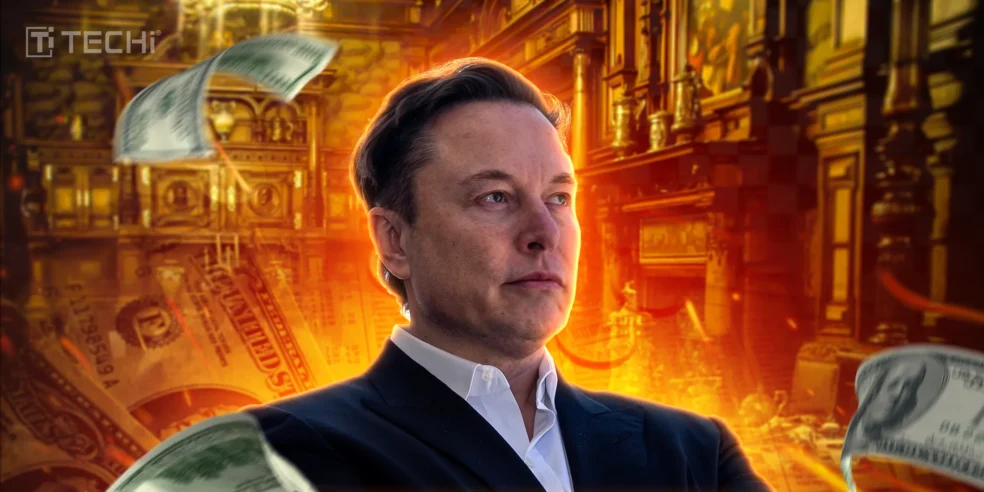

Elon Musk crossing the $500 billion net worth threshold is a symbolic milestone, but it also reflects deeper dynamics at play in global markets, the technology sector, and wealth concentration. While headlines highlight Musk as the world’s first half-trillionaire, the drivers of this valuation tell a more complex story.
Tesla remains the anchor of Musk’s fortune. The company’s stock has seen strong upward momentum, fueled by optimism around electric vehicle adoption, improving margins, and expanding production capacity. If Tesla continues to secure market share while defending profitability, Musk’s wealth will remain closely tied to its performance. However, Tesla’s valuation has long been a point of debate, as its price-to-earnings multiple remains far higher than traditional automakers. A correction in the broader equity market or investor sentiment could quickly erode part of this net worth milestone.
Private ventures also play a critical role. SpaceX continues to expand its launch dominance and Starlink satellite business, both of which hold long-term revenue potential. If SpaceX moves toward an eventual public offering, valuations could further boost Musk’s fortune. Meanwhile, ventures such as xAI and Neuralink highlight his ambition to stay positioned at the front of technological shifts. These projects are still early stage, but investor enthusiasm for artificial intelligence and brain-computer interface technology adds speculative value to Musk’s overall net worth.
The milestone also underscores growing concentration of wealth. Musk’s financial standing is larger than the GDP of many countries. This gap draws attention to the divide between billionaire fortunes and broader economic realities. It raises questions about taxation, regulation, and the influence of ultra-wealthy individuals on politics and policy. Musk’s prominent role in energy, transportation, space, and now AI gives him influence far beyond financial markets.
For markets, Musk’s $500 billion status may act as a signal of investor confidence in the sectors he touches. Electric vehicles, space, and AI are increasingly viewed as core growth industries of the coming decades. Musk’s companies embody the speculative optimism that investors are willing to pay a premium for. Yet, that optimism comes with volatility. Any missteps in execution, regulatory setbacks, or delays in scaling technology could impact not only Musk’s fortune but also market sentiment around these industries.
In conclusion, Musk’s half-trillion mark is less about personal wealth and more about how investors value transformative technology bets. It highlights the outsized role of a single entrepreneur in shaping markets and public perception of future industries. While symbolic, this milestone serves as a reminder of both the opportunities and risks tied to concentrated fortunes in speculative sectors. Musk’s wealth will likely remain highly volatile, rising or falling with the same speed as the technologies he champions.