
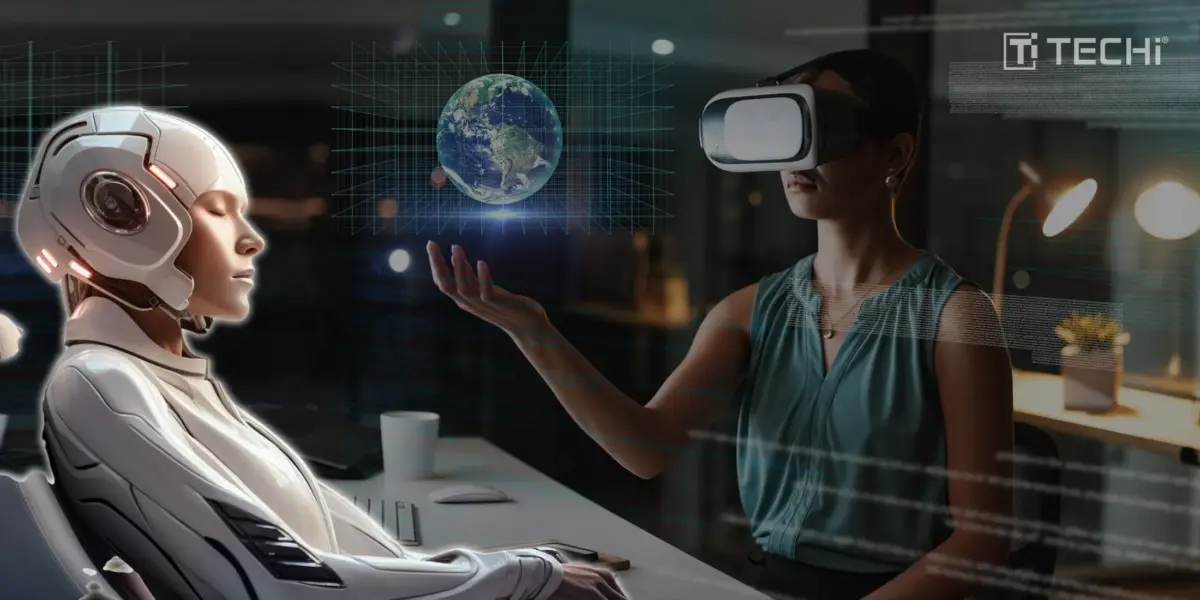
As technology evolves at an unprecedented pace, the way we live is changing just as rapidly. From smart devices and artificial intelligence to virtual reality and automation, modern innovations not only improve efficiency but also reshape how we interact with the world.
Whether or not you work in the tech industry, these advancements are already influencing how we work, learn, and manage our daily routines. Understanding these trends helps us better embrace the future and enhance our overall quality of life.
First, artificial intelligence has quickly become the driving force behind the transformation of digital living. Once limited to specialized fields such as medical diagnostics or financial risk analysis, AI now powers many consumer-level applications—from personalized recommendations and chatbots to voice assistants.
Today, AI improves individual productivity by sorting emails automatically, optimizing schedules, and predicting task priorities. In sectors such as education, healthcare, and workplace collaboration, AI is digitizing traditional processes and lowering the threshold for accessing advanced tools. As the technology continues to mature, AI will better anticipate user needs and evolve into a truly intuitive digital companion.
Second, smart home technology is redefining the modern living environment, making households more comfortable, convenient, and secure. From intelligent lighting and automated curtains to voice-controlled appliances, more families are integrating smart devices into their everyday routines. With a smartphone or voice command, users can adjust room lighting, temperature, and security systems—or even operate home appliances remotely.
As the Internet of Things continues to expand, interoperability between devices will further improve, creating a more unified smart home ecosystem. Those planning to renovate or upgrade their homes should research device compatibility, connectivity standards, and budget requirements ahead of time. To save on smart home purchases, users can also find promo codes on Valuecom.
Third, virtual reality (VR) and augmented reality (AR) are transforming the concept of immersive technology. Whether in entertainment, shopping, education, or corporate training, VR and AR offer entirely new ways to interact with digital content. VR games allow players to enter fully simulated environments, while AR overlays digital elements onto real-world settings, enabling virtual try-ons or interior design previews.
For businesses, VR-based training—such as medical simulations or industrial safety drills—reduces risk and lowers operational costs. As devices become more lightweight, displays more refined, and content libraries richer, immersive technologies will continue expanding into broader areas of daily life, eventually becoming essential tools for work and learning.
Finally, the true value of technology lies not in its novelty but in its ability to enhance human experience and improve overall efficiency. From AI to IoT, and from cloud computing to extended reality, every innovation introduces new conveniences while also prompting discussions about privacy, security, and ethics.
For everyday users, maintaining a mindset of curiosity and continuous learning enables us to utilize technology effectively rather than be overwhelmed by it. For businesses, the pace at which they adopt and integrate technology will directly influence their competitive edge.
Technology is reshaping the world, and we are at the center of this transformation. By understanding emerging trends, choosing the right tools, and maintaining an open mindset, we can navigate the future of technology with confidence.