As one of the most significant technology conglomerates in the world, Apple is being faced with questions about how it handles user information.
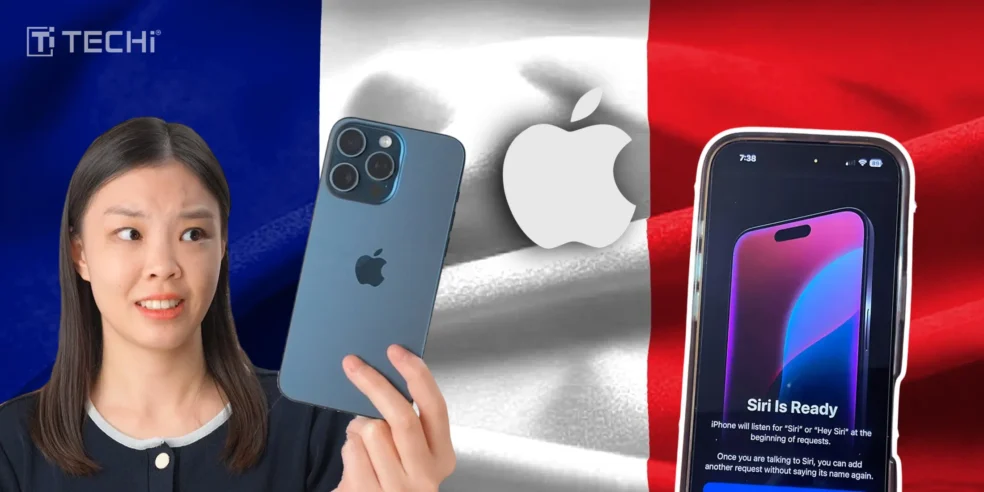
In response to a complaint that the company was illegally intercepting and analyzing the conversations of the users, French prosecutors in Paris have opened a criminal investigation into the voice assistant, Siri, created by the company.
This question has increased the apprehension about privacy, surveillance, and the larger operations of massive technology companies working with voice data obtained from their customers.
Background: The Complaint That gave Rise to the Probe 🔗
It was initiated when a formal complaint was received by the French human rights organisation Ligue des Droits de l’Homme LDH in association with the technology researcher Thomas Le Bonniec. Le Bonniec, a former contractor who was hired to listen to Siri recordings on behalf of Apple, claimed that the company was recording and analyzing the personal conversations without user permission.
He also alleges that pieces of voice information belonging to the users were sent to human analysts who listened to the information to improve the work of Siri.
LDH supported the complaint, arguing that Apple abused its fundamental privacy rights by recording conversations that could include personal, medical, confidential, or other information. The organisation argued that the actions of Apple had the possibility of violating European data protection laws, which require clear consent to collect any data.
The French Prosecutors’ Role 🔗
The office of the Paris prosecutor confirmed the case to a specialized section of the police, which deals with cybercrime. The transfer is an indication that the authorities are taking the allegations seriously. The investigation unit would now gather the evidence and determine whether Apple was contravening the strict privacy laws in France.
Though the prosecutors have not so far disclosed a lot of information, the involvement of the cybercrime unit is an indication that the case will take a long duration and might require international collaboration, considering that Apple operates worldwide.
Thomas Le Bonniec: A Cause of a Whistleblower 🔗
This issue is not foreign to Thomas Le Bonniec. In 2019, he publicly released the details of how Apple used human contractors to transcribe Siri recordings, adding that the workers could often record the confidential conversations. He claimed that the users had never been sufficiently notified that human agents could examine the recording they made.
Le Bonniec wrote to Reuters: The fact that this new investigation was launched makes a very strong statement: fundamental rights matter, and some organisations and individuals are already determined to defend them.
The fact that he has decided to bring the complaint again several years later indicates that he does not believe that Apple has done enough for to privacy of its users.
In Response to Apple: Privacy and Changes, Denials 🔗
Apple has strongly rejected any form of malpractice. In response to the public criticism of its data collection practices, the company told Reuters that it implemented substantial privacy improvements to Siri in 2019. Apple claimed that since then, they have granted more power to users to control their data and reduced the need to resort to human reviewers.
In a post on a website in January, Apple said that the discussions made by Siri are never disclosed to marketers or sold to advertisers. The company insisted that the recordings of users are used only to improve the accuracy of Siri and that users can now choose whether to share their information or not.
Another important point made by Apple was that computing the voice commands is the work of Siri, and it is made on the device itself, thus lessening the delivery of voice commands to Apple’s servers. The company introduced such changes as the demonstration of privacy.
Privacy and Big Tech: A Broader Controversy 🔗
The case against Apple is an element of a larger debate that surrounds the use of voice assistants and smart devices by technology companies to collect data. With the case of Amazon Alexa, to Google Assistant, most major technology companies have been questioned on the amount of data they store, as well as the ease with which they can access such data.
Some of the strictest privacy laws across the globe are found in European jurisdictions, with the General Data Protection Regulation (GDPR) being an example. This law gives people the right to determine what personal data companies collect about them and ask them to delete that information. In case Apple can be found to have violated these laws, it can easily face massive fines and an additional tarnished image.
The investigation is a reflection of growing public concerns regarding the constantly on gadgets that can be used to listen to people at all times. Many users do not know that voice assistants can record personal conversations in case it is accidentally activated.
Human rights and technology: The LDH viewpoint 🔗
With a long history of civil liberties promotion in France, the Ligue des Droits de l’Homme is proud to say the same. The organisation is supporting this complaint in the effort to highlight the hidden ways in which technology firms can intrude into user privacy.
In the case of the LDH, this problem goes further than data to include human rights. The organisation argues that technology surveillance is a way of destroying trust and personal freedom. It assumes that the users are entitled to have full control over their digital lives and that companies should be as transparent as possible when it comes to how they use personal data.
The Significance of Responsibility 🔗
The French investigation highlights a growing need for transparency by tech giants. Apple is famous because it claims to defend privacy, often using its position as the flipside to its competition e.g., Google and Meta. However, this case demonstrates that even Apple cannot be criticized.
In case the investigation supports that Apple extracted and examined voice data without permission, it may force the company to implement further changes to Siri. It can also encourage regulators in other jurisdictions to scrutinize more carefully the manner in which digital assistants work with voice recordings.
Impact on Apple’s Reputation 🔗
The security and privacy of its users have been the core of the image that Apple has had since its inception. The company has also repeatedly used privacy as an influential selling point by claiming that its products offer greater protection to the personal information of its users compared to its competitors.
However, this new inquiry may call into question this claim. Although Apple has sought to ensure that Siri’s privacy settings have been reinforced, the French investigation can trigger new discussions on the reliability of voice assistants among people.
In case the prosecutors conclude that Apple was not responsive to the European data protection standards, the company might face fines and long-term negative publicity in a highly essential market. France is not only a crucial market to Apple, but also a fully-fledged member of the European Union, and the regulatory bodies have grown stricter in terms of data privacy.
What Happens Next 🔗
The French government will now go ahead to gather evidence and could also question witnesses, including Apple officials and former employees. The investigation process can take a number of months or even years.
In case prosecutors consider the evidence at their disposal to be adequate, the prosecution may prosecute Apple or impose fines according to both the French and European laws.
At the same time, the case is bound to remain under the examination of privacy activists and technology researchers all over the world. It can also put pressure on Apple to reveal more transparency about the working process of Siri, as well as the processing of the user data.
Assumption: A Digital Privacy Breaking Point 🔗
The Siri case in France is a precedent of digital privacy in Europe. It highlights how technological innovation and the right to privacy have always conflicted. Although Apple insists that its technology is safe and accessible, the opponents assert that voice assistants continue to be a possible means of surveillance and data abuse.
Currently, the future of Apple in France and possibly in the larger European market is based on the result of the investigation. Whatever the outcome, the case is a reminder that in the digital era, the issue of ensuring the privacy of users is one of the most difficult to deal with, whether by companies or governments.