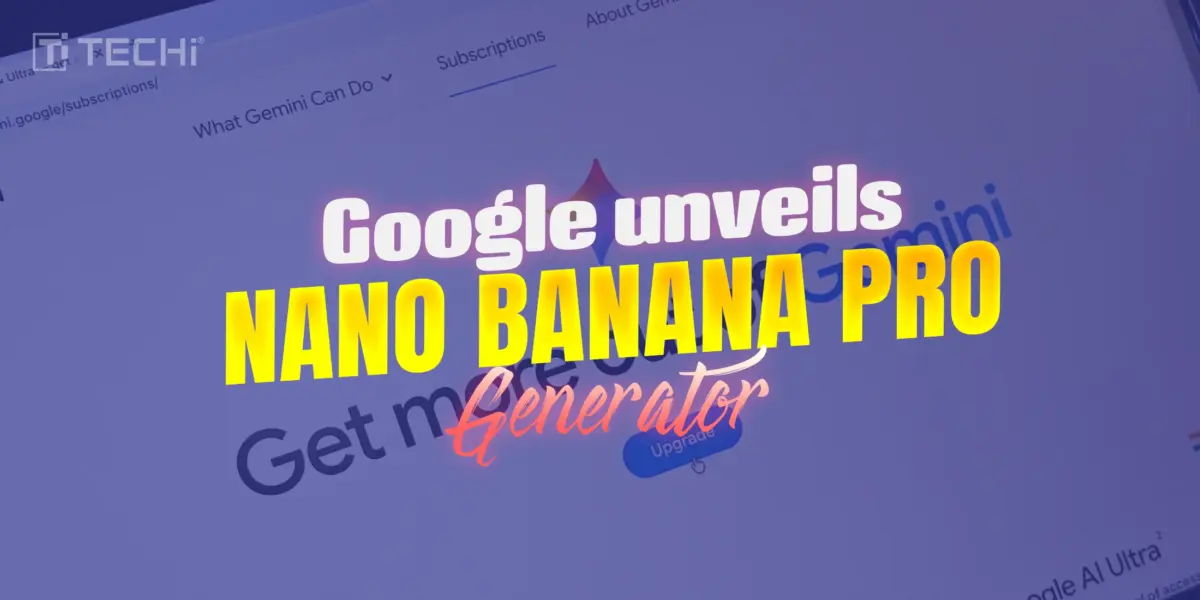

Google’s release of the Nano Banana Pro image model represents a significant step in the development of AI-assisted image generation. Built on the Gemini 3 Pro platform, Nano Banana Pro is designed to produce high-resolution images up to 4K, improving clarity and detail compared with previous models. The upgraded text rendering and multilingual support allow broader applications, making it more versatile for global users, content creators, and businesses seeking localized content.
One notable feature is the model’s enhanced editing controls. Users can now adjust lighting, camera angles, and other visual aspects more precisely, bridging the gap between AI-generated content and professional-grade image creation. This could accelerate adoption by marketing, advertising, and media industries that rely on consistent visual output. The ability to fine-tune details directly through the model reduces reliance on separate editing software, streamlining production workflows.
From a market perspective, Google strengthens its position against competitors such as OpenAI, Stability AI, and Midjourney, which have established a foothold in generative image tools. Offering a higher-resolution model with flexible controls may attract enterprise clients and professional creators who prioritize quality and customization. Additionally, integrating multilingual capabilities supports Google’s global user base, potentially increasing adoption in non-English speaking markets.
However, widespread adoption faces challenges. Hardware requirements for rendering high-resolution images may limit accessibility for individual users. There are also ongoing concerns regarding content safety, copyright, and ethical use of AI-generated images. Google will need to maintain strong safeguards and usage policies to mitigate potential misuse.
Overall, the Nano Banana Pro release is a positive development for content creators and enterprises seeking advanced AI image tools. It demonstrates Google’s commitment to expanding the capabilities of Gemini 3 Pro and competing in the generative AI ecosystem. The improvements in quality, precision, and language support suggest a broader market reach and a push toward professional-grade applications. This launch signals Google’s intent to strengthen its AI offerings while providing more control and versatility to users across industries.