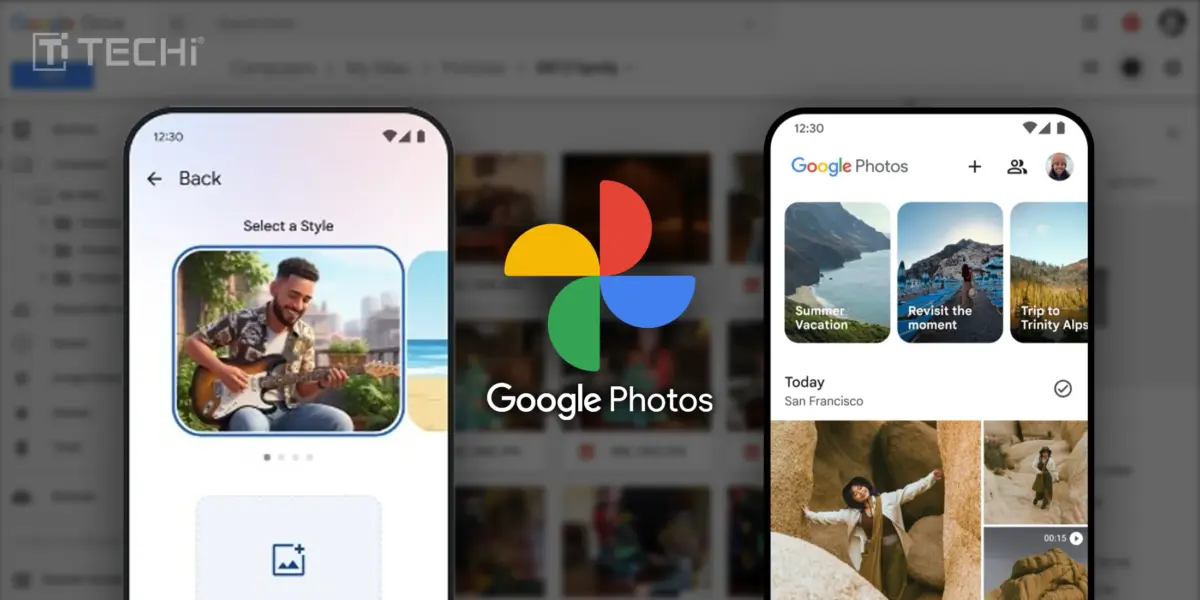

With its recent AI-powered update, Google Photos isn’t just making pictures look better, instead it’s actually changing the way we think about memories. The features, like prompt-based editing, AI templates, and voice-controlled commands, all contribute to the perception of photo editing as a conversation rather than any technical task.
Users can give commands like ‘make everyone smile’ or ‘turn this into a cartoon’, and Google will follow. The high level of personalization allows everyone to be creative, no matter whatever their design skills are.
It’s a kind of decision that merges ease of use with artistic freedom, making photo editing a more natural and accessible process than ever before.
Google’s new feature solidifies its role as the center of digital creativity in everyday life. The new feature takes AI one step further, it not only enhances photos but also is able to interpret emotional context, knowing who is in the photo, what you want, and perhaps even how the moment should feel. On one hand, this is nothing but a dream, it is quick, easy, and enjoyable.
On the other hand, professionals face the question of originality. If AI can refine or even recreate photos using just a few words, then where does human creativity come in?
However, the worldwide expansion of AI-powered search by Google in over 100 countries is a big win in terms of accessibility. It allows advanced photo tools to be used by the most people around the world and it enables users to search, sort and modify their picture memories effortlessly in different languages
Google’s new update is essentially about smarter storytelling and not just smarter photographs. By combining art, memory, and technology, Google is changing the way we remember and tell our life stories.
On the other side of the board, as AI technology keeps on progressing and becomes more and more real, it will be a dilemma for us to keep our memories genuine and not only beautiful.