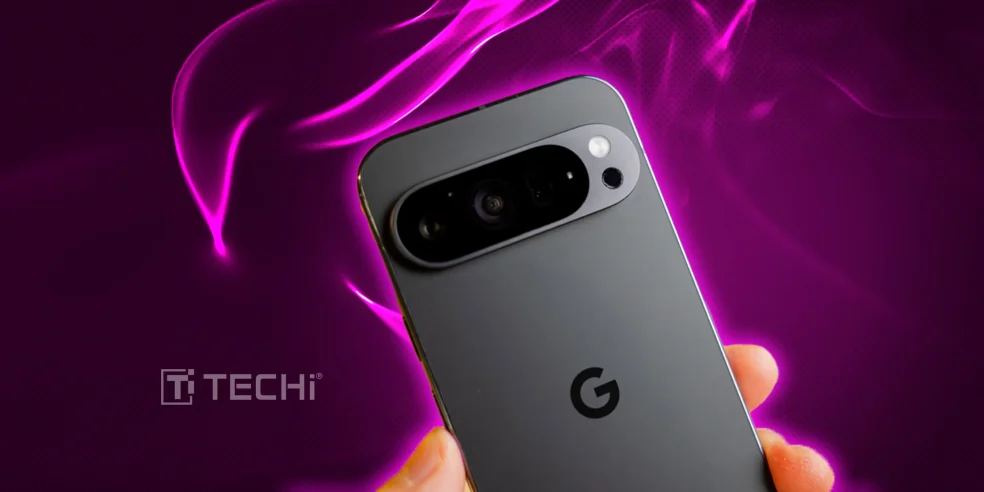

The Pixel 10 has been in the news after its versions revealed that the phone will have a third camera at the back, and this shift of design is something that has changed the face of the series.
The standard Pixel will also be coming with a telephoto camera to accompany the regular and the ultrawide lenses for the first time. It is reasonable to introduce a telephoto lens.
Natural zooming and sharpness features of the photos are trendy, and it is here that reality is satisfied. It puts the Pixel 10 at par with its key competitors, such as the Galaxy S range and iPhones, which already use the telephoto camera on entry-level products.
However, Google is striking a balancing force. The sensors on the Pixel 10 will not be top-tier as on the Pixel 10 Pro, which may be identical to those on the cheaper Pixel 9A. It may be a strategic approach. Google can provide new hardware and new features without making any confusion between the basic and the Pro versions.
A unique choice of colors is also noticeable. The Pixel 10 will hit the stores with four color options i.e., obsidian, indigo, frost, and limoncello. The buyers can use this palette to make the device more personal. It has now become a significant market requirement in the way buyers select their phones.
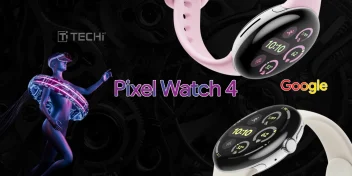
In the future, the event is likely to witness the duo release of the Pixel 10 and the debut of new devices such as dust-resistant Pixel 10 Pro Fold and Pixel Watch 4.
The way forward here is obvious as they need to add more features at competitive prices, offer more models of the devices, and make the designs eye-catching.
In case Google manages these updates with assurance, the Pixel 10 range might get into the hands of new consumers and affirm the position of Google on the busy smartphone landscape.