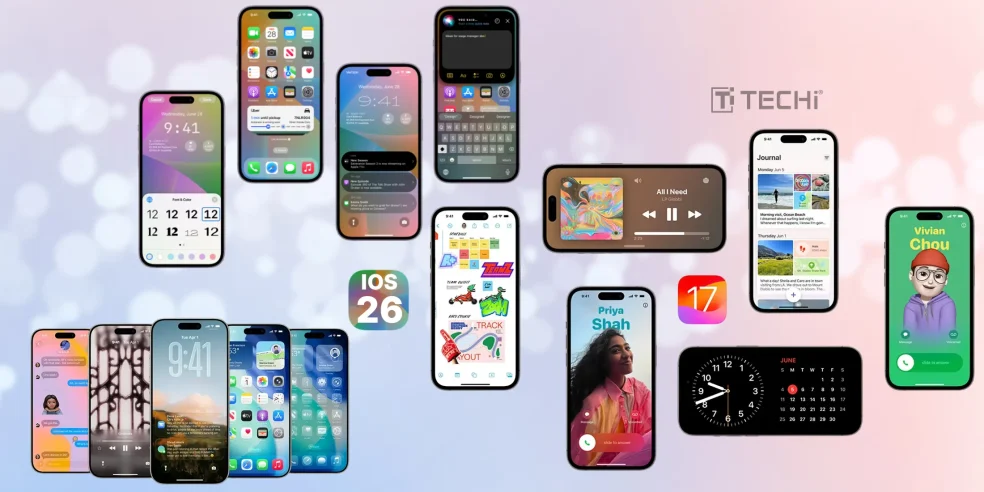
Apple is all set to release the latest software update the “Liquid Glass” interface with its iOS 26. The new liquid glass update seems to defy Apple’s previously set unified ecosystem. As the update is said to be offering improved security features and privacy improvements, but not everyone who owns an iPhone would benefit from the update. In this way the liquid glass update fragments the ‘across the board experience” for all apple users.
Who Makes the Cut? 🔗
Are you someone who owns an iPhone 11 or newer? Well, you’re in luck. The iOS 26 update would support every device from the latest iPhone 16 series down to the iPhone 11 lineup, plus the second-generation iPhone SE and later models. Meaning, around 7 generations of iPhone stand to benefit from the latest “Liquid glass” update that comes with advanced call screening, enhanced Safari fingerprinting protection, and the ability to create digital IDs using U.S. passports.
The Cutoff Casualties 🔗
As far as the iPhone X, XR, XS, and XS Max users are concerned, for them it pretty much is the end of the road for the latest iPhone’s revolutionary update. The almost seven years old device does not get to enjoy the iOS26 and is stuck on iOS 18. This security update categorizes the iphone users between tier one and tier two iPhone users.
Balancing Innovation with Upgrade Pressure 🔗
This decision to offer custom-compatibility of the latest update is not random, it’s calculated. Apple, like any other tech producing company, thrives on its users constantly shifting to their newest technology and not just living with a model launched some 5 or 10 years ago. This brings stagnancy and a consequent decline in their business. By making the move of offering a standard model of A13 as the minimum requirement to enjoy the update, Apple ensures that this coveted feature like “Liquid glass” runs smoothly while also creating enough inspiration for users below A13 to join the club.
This exclusion is not an arbitrary one, it’s a well played ecosystem management strategy preventing performance degradation of the new technology and nudging the users with older devices to be a part of this transition.
Breaking from Tradition 🔗
Marking a significant departure from iPhone’s traditional practice where every new update would support a device as long as 5-6 years old, the iOS 26 displays an aggressive cut-off strategy in recent memory. While iOS 18 supported the iPhone XR and XS series, iOS 26 completely abandons these A12-powered devices despite their relatively recent 2018 launch. More importantly, this exhibits Apple’s staunch confidence in their market position that they can afford to alienate its millions of users with older devices, taking a punt on the pull of this new feature to drive them towards the latest threshold.