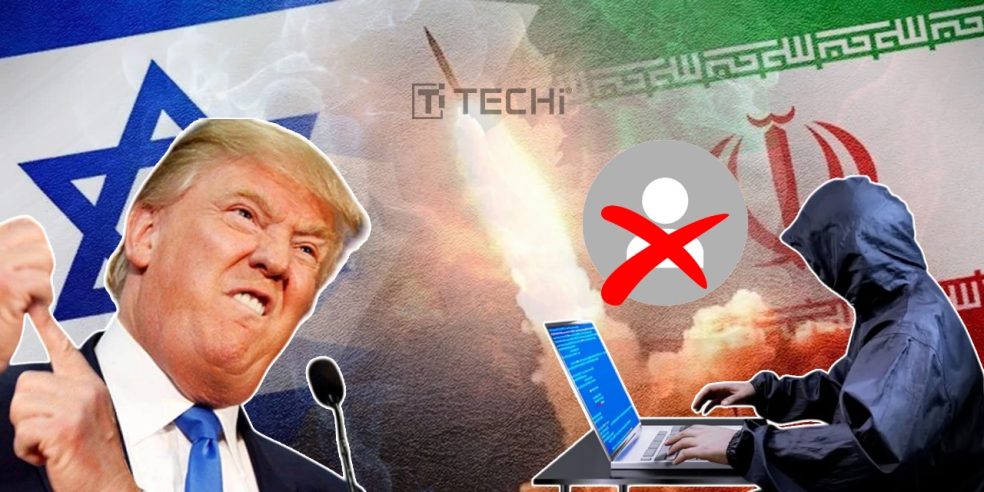

The slowdown in explicit Iranian cyberattacks after recent military tensions may signify a number of things. It might be a strategic control, a deliberate pause while Iran modifies its cyber plans in the face of changing geopolitical scenarios. The absence of a significant revenge in terms of cyber attack might hint that Iran’s cyber arsenal may not be as extensive or advanced as perceived, particularly against Israeli and U.S. cyber defenses. This shows a fundamental disconnection between perception and reality. Rather than widespread disruptions, Iran-linked groups have remained at low levels, phishing and cleaning out small level data. Experts also warn against contentment and ask to stay alert. The actual threat could be hidden. It could be long-term spying, infrastructure monitoring, and sleeper malware that gets into action when least anticipated.
The danger may be developing rather than being nonexistent. Iran may be seeding stealth monitoring tools or setting up long-game attacks intended not to be quickly detected. This is reflective of Iran’s military approach, which is boastful but for the most part ineffective. As many missiles were deflected, their cyber efforts can be repelled or it can be too weak to penetrate the Western defenses. Underestimating Iran is a risk, their inactivity may be mistaken. It may also be evidence of successful deterrence by U.S and Israeli cyber countermeasures, and not an absence of competence.
In today’s world and in the 21st-century war, silence may be a strategy, or an echo of deep risk. Iran’s low-key digital existence after so much urge defies the very expectations of its cyber capabilities. But in a place where invisibility is power, victory or weakness should not be pronounced yet. The most sensible move at this point might be to remain vigilant and presume the game is still very much up. One is just playing it more stealthily than anticipated.