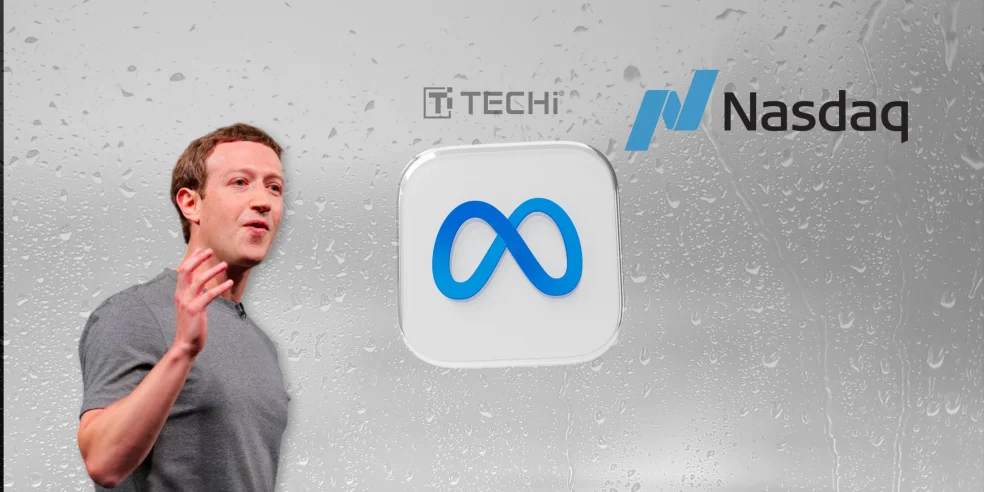

With the incorporation of AI as its new growth driver following the metaverse stumble, Meta has obviously hit a winning wave. Zuckerberg’s strategic shift to AI is a victory not only in product innovation but also in managing the investor sentiment.
With profits exceeding estimates and AI infused throughout WhatsApp, Instagram, and Facebook, Meta is shaping up to be an AI-first social media giant. As the company is investing tens of billions of dollars in infrastructure and data centers, it is a bet that relies on the long-term profit of AI.
It’s tempting to get caught up in the rally, particularly when Meta is beating Apple and Tesla, but the market’s euphoria seems a bit lathered up. Not all bets that are big actually pay off, and if ad revenue flattens in a slower economy, Meta’s high capital expenses could come back to disturb it.
Meta’s relentless enthusiasm for AI is making it blind to fiscal responsibility. Then there’s also the macroeconomic context where a recession would weaken advertising budgets, which is directly negative for Meta’s primary revenue source. Sure, a high target price is exciting, but that also implies that Meta has to perform perfectly, which means that any misstep would result in a brutal scenario.
Meta Platforms is at a transformative moment, and 2025 may prove to be the year that makes or breaks it. If its bet on AI comes through, the company may dive into a new period of supremacy, with standards for not just social interaction but also for influencing machine learning. Meta’s accomplishment is not certain.
The uncertainty is particularly due to a market environment that is turbulent and with shareholders keen on scrutinizing every quarterly earnings report for proof of decelerating momentum. Meta is self-evidently surfing on a strong wave, but whether it rides it to the next level or crashes depends on whether it can be both visionary and disciplined.