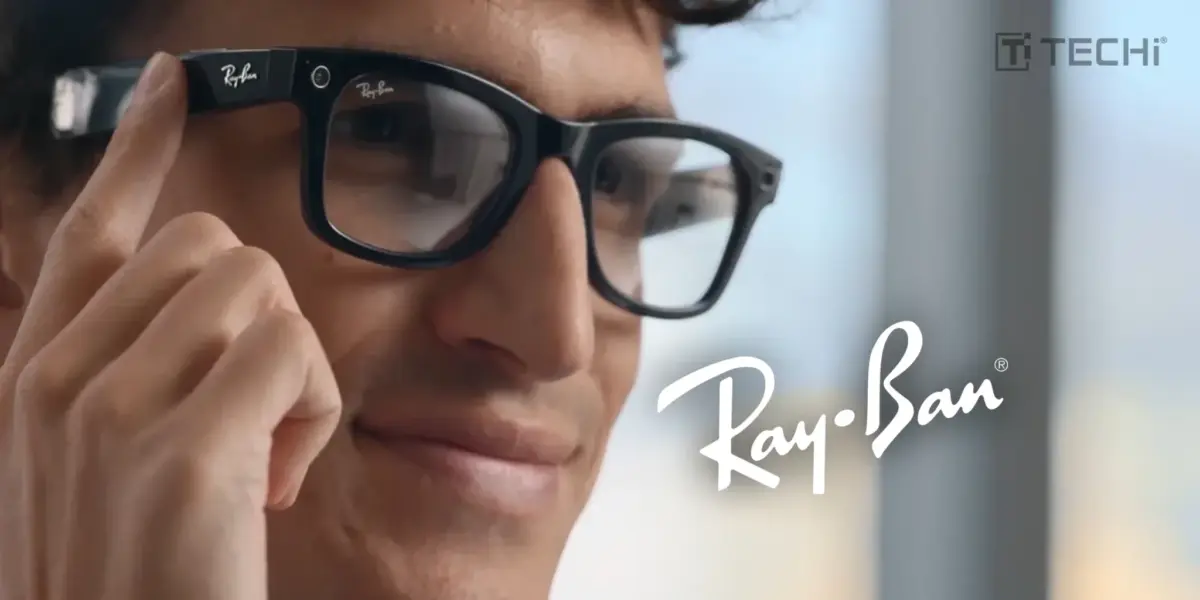
Meta has encountered an unforeseen hurdle in its quest to make its Ray-Ban Display smart glasses a worldwide success, which is in no way related to the lack of interest, instead it is the opposite case.
The Facebook parent company announced on Tuesday that it would delay the international launch of its augmented reality eyewear due to the strong U.S demand, along with limited supply that has forced the company to rethink its expansion strategy.
Strong U.S Sales Lead to Supply Shortage
The U.S market was planned to be one of the most important ones for Meta to release its Ray-Ban Display glasses, along with the UK, France, Italy, and Canada early on.
However, now that these plans are put on hold, the orders in the U.S have been prioritized, where the company has promised to meet all expectations. Meta called the device as “a first-of-its-kind product” and admitted that once again inventory issues have been a barrier to a broader launch.
Since the product was launched, the consumer interest has been overwhelming and the customers have to wait for it, and the waitlists now extend far into 2026 as well.
The company said,
“Since launching last fall, we’ve seen an overwhelming amount of interest, and as a result, product waitlists now extend well into 2026”.
Also, Meta mentioned that the revision of the international level release will depend on the improvement of the production capacity. This indicates that the delay is due to logistical reasons rather than strategic ones.
A Wearable Bet on AI and Everyday Utility
Meta’s Ray-Ban glasses have been developed in collaboration with EssilorLuxottica’s Ray-Ban. It allows users to take pictures, stream media, and converse with a virtual assistant, which ultimately merges fashion with advanced AI-powered functionality. This product is a part of Meta’s more broad effort to make artificial intelligence a part of everyday life beyond smartphones and screens.
EssilorLuxottica has already announced that it is ramping up production to meet the increasing demand, and this move also points to the company’s strong belief in the future of smart glasses as a typical consumer market rather than a minor experiment.
Promising Early Sales
Regardless of the limited availability, the initial sales figures have pointed out that the glasses are being accepted by consumers. As per the IDC, Meta sold about 15,000 units in its first quarter, which covers almost 6% of the smart glasses market. The figures are small, to say the least, but they are significant in a new product category that is struggling to establish itself.
The uptake indicates that consumers are getting more and more interested in wearable tech that incorporates practicality, AI, and good looks. Also, this is the area that Meta sees important for the future of their hardware ecosystem.
New Features Aim to Deepen Engagement
Meta also utilized the Consumer Electronics Show in Las Vegas, where they announced new features for the glasses and a Meta Neural Band wrist device. It is a teleprompter feature that will let users read notes and scroll discreetly using wrist gestures.
Also, the pedestrian navigation will be expanding to more U.S cities, which will bring the total supported locations to 32. These improvements are part of Meta’s strategy of making the glasses more accessible and usable in everyday life rather than just positioning them as a novelty or a developer-only device.
Bottom Line
Meta’s global rollout decision to delay is not only a consumer hardware problem, but it is a case of demand outstripping supply. The international customers will have to wait, but the strong U.S response indicates that Meta’s smart glasses strategy is really getting the grip in that area.
If the company can ramp up production without affecting quality, the Ray-Ban Display glasses could be a central element of the company’s efforts to make AI wearable.