Netflix, the world famous streaming platform, released its second quarter financial report of 2025 and the numbers are looking as good as they get. The revenue soars to 16% exceeding the expectations and predictions of Wall Street’s pundits. The streaming site stunned everyone with its $11.08 billion in revenue just like its show “Money heist” did.
Numbers behind the Growth 🔗
Talking about what’s working so well for the streaming giant in this age of fierce competition, its three things; expanded membership of 301.6 million paying subscribers; higher subscription pricing of $7.99 / month with ads, $17.99 / month without ads, and a premium package with some added features and amenities costing $24.99 / month; and the third thing is its increased advertising revenue, which is approximately and roughly around $3.2 billion.
Net income surged 48% year-over-year to $3.1 billion, while free cash flow jumped an impressive 91% to $2.3 billion. Netflix raised its full-year revenue guidance to $44.8-45.2 billion, up from the previous $43.5-44.5 billion range. The company attributed this optimism to “healthy” member growth and robust ad sales performance.
Strategic Transparency Shift 🔗
While coming clean about their profits and margins, the streaming site seems reluctant to expose its detailed subscription metrics for a consecutive second quarter. This marks a significant departure from Netflix traditional practice of transparent reporting. This signifies a very crucial factor behind the platform’s soaring number; the company wants investors and shareholders to pivot on the overall growth and not the pure subscribers’ quantity.
Margin Concerns Ahead 🔗
As the company moves ahead to the second half of 2025, it signals a little margin compression owing to the higher content amortization and marketing costs tied to major and widely awaited releases of Wednesday” Season 2, “Stranger Things” finale, and “Happy Gilmore 2”. This trend explains a very particular aspect of the business of entertainment. No matter how quality conscious or audience-loved your show is, the marketing cost and publicity required by the show would be as high as the anticipation or chatter for the show is, which feels like “Content is “NOT” the king anymore”.
Market Reality Check 🔗
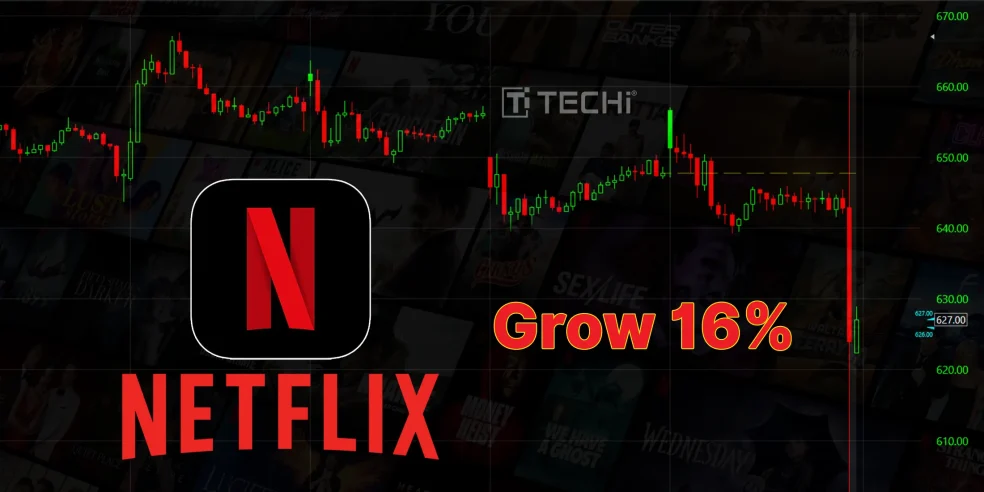
Even after reporting a “healthy” financial quarter not all is hunky dory for the streaming site. As, the company’s shares took a dip of 1% in afterhours trading. This makes the investors anxious over Netflix’ increasing appetite for content spending, amid the competition becoming tenser and the subscriber’s costs going up every year.
What This Means in the Streaming Wars 🔗
In a battleground of streaming sites where every platform is after every eyeball around the world, Netflix maintains its resilience against the odds. Where other services find ways of lowering downs the price points and launching discounted packages, Netflix establishes its edge by raising the prices and garnering more revenue on per user profit model, establishing that quality content and a superior user experience will keep subscribers loyal even as monthly bills rise.
These numbers essentially confirm that Netflix is long past the “growth at any cost” phase to becoming a mature, profitable business. It means the streaming platform is confident enough over its premium pricing , believing that what it offers in its content library has no competition in the market.