

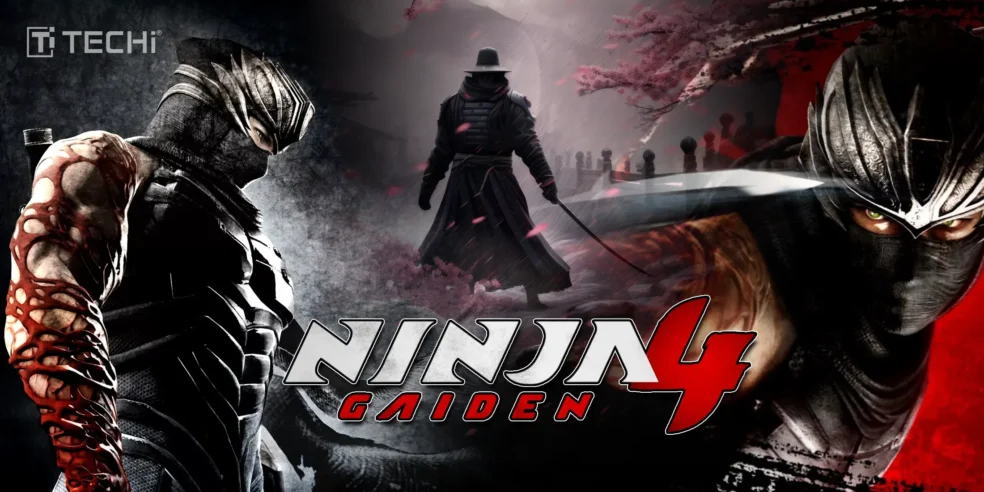
Ninja Gaiden 4 has great fighting mechanics but a boring story and uninspiring levels. The game may feature one of the best combats in video games, but along with a predictable storyline. It means, in action games, smooth and fun gameplay matters more than the plot or environment.
Action games often succeed by perfecting combat systems and control, while story and level design take a back seat. This explains why mechanically solid games sell well even if the narrative is weak.
The Combat First Philosophy 🔗
Reviewers, such as IGN, praise Yakumo’s speed increase over Ryu Hayabusa while admitting that the character “fails to resonate”, and sets clear priorities for the action games’ audience. Players can forget character development if dodge-cancel timing feels perfect. They can tolerate forgettable protagonists if you provide them with satisfying combat responsiveness.
It appears that Team Ninja and Platinum Games know their audience and allocate their resources accordingly. They invested resources in the combat system rather than narrative writers or character artists. Why invest in story quality when reviews acknowledge that combat excellence compensates for narrative weakness?
Industry-Wide Combat Prioritization 🔗
Ninja Gaiden 4 joins the growing trend in action games. Titles like Devil May Cry 5 excel with Dante’s fluid combos despite forgettable villains, and Bayonetta 3, another game from Platinum Games studio, hides a chaotic multiverse plot behind stylish, satisfying combat.
Even Call of Duty entries like Modern Warfare are well-received, even though they lack campaign narrative and coherence. This pattern signals a calculative industry choice: investing in story is risky, while refining combat experience for the players is a “Sure Shot”.
The Takeaway 🔗
Modern action designs favor mastery of mechanics over narrative ambition, and Ninja Gaiden 4 exemplifies the trend quite fittingly. Resultantly, action games are increasingly becoming mechanical showcases rather than narrative experiences. Levels serve as arenas, characters exist as avatars, and stories become packaging for systems.
More unfortunate, this actually turns the conventional practice of action games upside down. In classics like Metal Gear Solid or Half-Life 2, combat and storytelling were seamlessly integrated to create memorable experiences.
This kind of departure from classical action game practices proves that in modern action gaming, gameplay feel and combat mastery aren’t everything. Rather it’s the only thing that matters and rest is irrelevant.