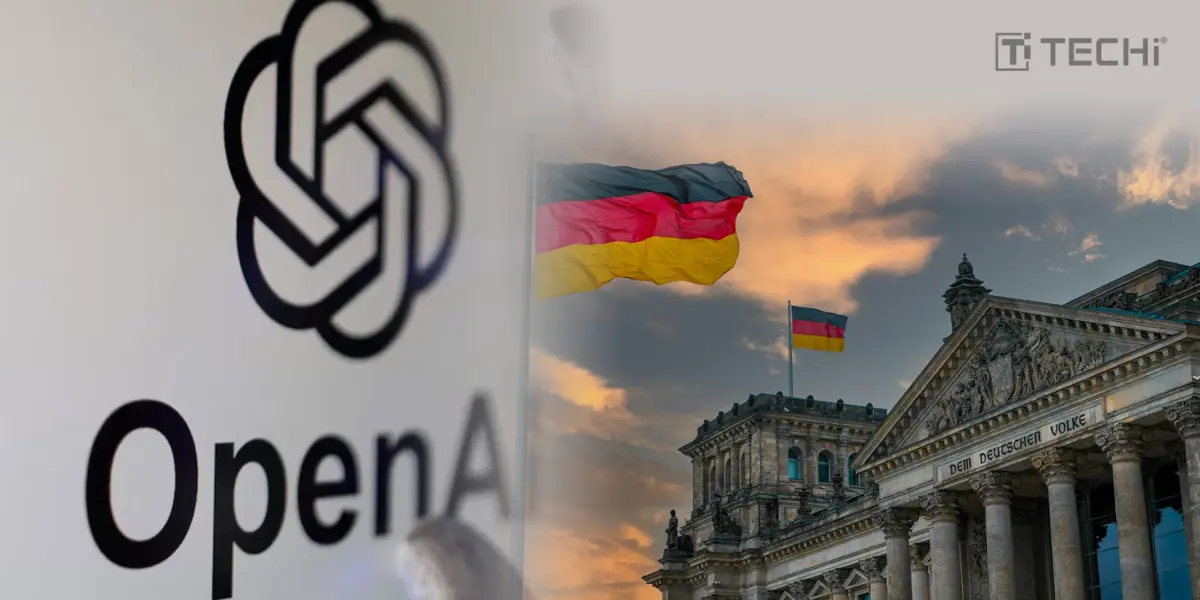

A verdict passed by a German court recently against OpenAI has shaken and brought to the forefront the issue of the battle between AI technology and intellectual property. The court deemed ChatGPT guilty of unauthorized use of copyrighted song lyrics, among which were the lyrics of a popular German singer Herbert Groenemeyer.
Even though OpenAI claims that its models “learn” from data and do not store it, the ruling insists that learning cannot be at the cost of the rights of the creators.
This legal battle not only involves the area of music but also involves who will be the owner of creativity in their coexistence. Will it be a man or a machine?
On one hand, this ruling has been viewed by the artists and the rights organizations as the long-awaited victory for the creators who had to see their work being used in large-scale datasets without receiving any credit or payment. It sends a clear message that works of art, lyrics, or literature are not only resources but are also the protected forms of human creativity.
On the other hand, the tech developers are afraid that the imposition of strict copyright measures could bring a halt to the progress of AI development, as the companies would have to invest a lot in licensing and would take a long time to innovate.
However, there is a middle ground where artists could be paid via licensing arrangements, and in this way, the technology would be driven by creativity ethically. This court ruling may be the starting point for a strong copyright regime in Europe and thus compel the AI firms to change their data collection and training practices.
Artificial intelligence will still ever so slightly cross the boundary between original creation and mere imitation, but this ruling will continue to be a reminder that human creativity must always be acknowledged in the process of innovation.
The machines might get trained to generate ideas, but the core of creativity and protecting laws will still be in the hands of the humans.