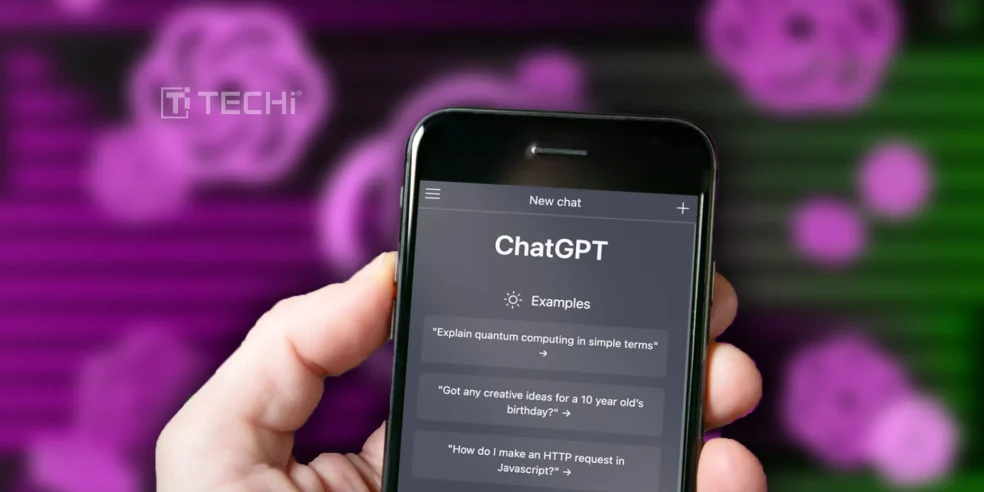

The introduction of the latest general purpose ChatGPT agent by OpenAI marks the beginning of a new phase in the development of smart AI that would be used in our daily lives. This advance is an indication that we will stop at only responsive chatbots and inch closer to AI that has the ability to truly handle a human being in terms of the dynamic tasks and workflows.
It is now possible to use ChatGPT agent to deal with multi-stage tasks, thanks to allowing users to initiate ChatGPT instructions in the manner of a conversation using natural language, such as analysis of meetings within a calendar, the creation of presentations, online shopping, and code execution.
The OpenAI has integrated the power of its previous Operator and Deep Research agents within ChatGPT agent. The ability of the operator to navigate within the web and synthesis capabilities of Deep Research have combined to ensure that the agent is very much flexible and practical compared to what earlier versions were capable of providing. Such a common system implies that the chores that needed a variety of distinct tools or manpower in the past may now be solved by merely instructing the AI to do them.
Meanwhile, safety is highly regarded by the company. To improve on this, OpenAI has included real-time monitoring and severe measures on privacy, whereby the agent seeks approval on the side of the user before engaging in sensitive behavior.
Special classifiers monitor and put to ration what is utilized in dangerous areas and the memory feature that is set out as convenience is disabled when in this (block) mode to prevent misuse. These actions are wise in the current climate when the potential of AI is ever-rising and the dangers are still in the infancy stage.
The industry will be keenly monitoring the way users respond, what constraints are revealed in the real usage, as well as how OpenAI will navigate between power and safety. There is one thing that is clear i.e., the level of intelligent virtual assistance has just increased.