
Defence technology OpenAI is looking to move into a contract that supports the unclassified networks of NATO soon after a deal with the Pentagon is finalized. This aggressive venture is meant to imply the quick polarization of artificial intelligence within the context of the recent U.S. policy under President Trump.
Deal Sparks Buzz
Sources claim that OpenAI is currently negotiating having their system installed on non-classified systems at NATO, with support provided by Microsoft MSFT.O and Amazon AMZN.O. The All network was first mentioned by CEO Sam Altman in one of the corporate meetings, but later corrected that they only focus on unclassified networks.
The 32-member coalition has not made any statements publicly. This is after OpenAI agreed with the Pentagon on classified networks on February 27. On the orders given by Trump, agencies were prohibited from engaging rival Anthropic because it had opposed mass surveillance and autonomous weapon systems during contract negotiations.
The new agreement of OpenAI forbids purposeful spying of the United States and the usage of the NSA, as announced on Monday. According to the Wall Street Journal, Altman enumerated the decision as complex yet right despite the challenge encountered in PR.
AI Arms Race Heats Up
Lockheed Martin and other Defence contractors have dropped Anthropic AI, reportedly, after the Trump administration banned the technology, as mentioned in recent reports. The change of direction followed by OpenAI does not correspond to that of the position of the Anthropic CEO Dario Amodei; the Pentagon insisted that mass surveillance or completely autonomous weapon systems must be banned.
The high-stakes can be proved with the help of quantitative data: In 2025, global Defence spending on AI is 12.5 33.3% higher than it was the previous year, equaling 12.5 33.3 billion Deloitte, 23 26 Feb. Since Trump was inaugurated, drivers of U.S. Department of Defence AI contracts have increased by 45%, and the companies paying them comply with the set standards.
The AI-secure leadership position of OpenAI consolidates the NATO bid, but ultimately, the question of ethical protection will rule the winning actors, according to Dr Maria Voss, an AI policy researcher at the Carnegie Endowment.
What Lies Ahead
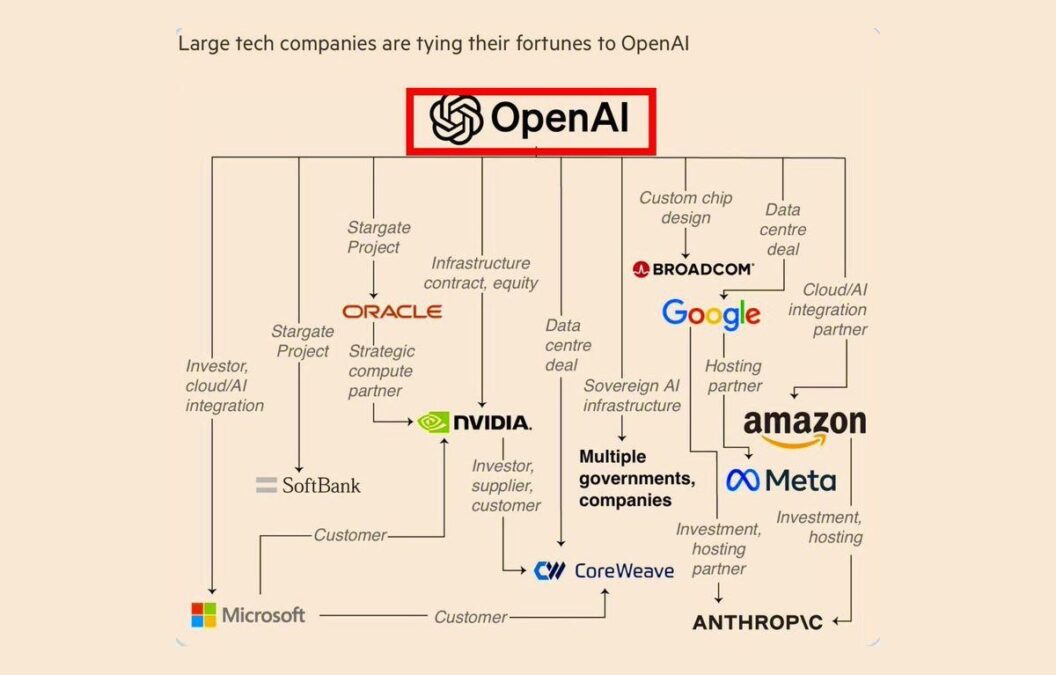
Natural moves to accelerate the implementation of NATO by the mid of 2026 would add strength to the market value of OpenAI, which currently lies at $157billion dollars February 2026 projection. However, any possible regulatory scrutiny might increase in the case of any classified application, and the xAI competitors are also keeping an eye on new opportunities arising. This deal makes OpenAI a powerhouse in the defensive AI industry, which transforms the international relationships in the chaotic geopolitical setting.