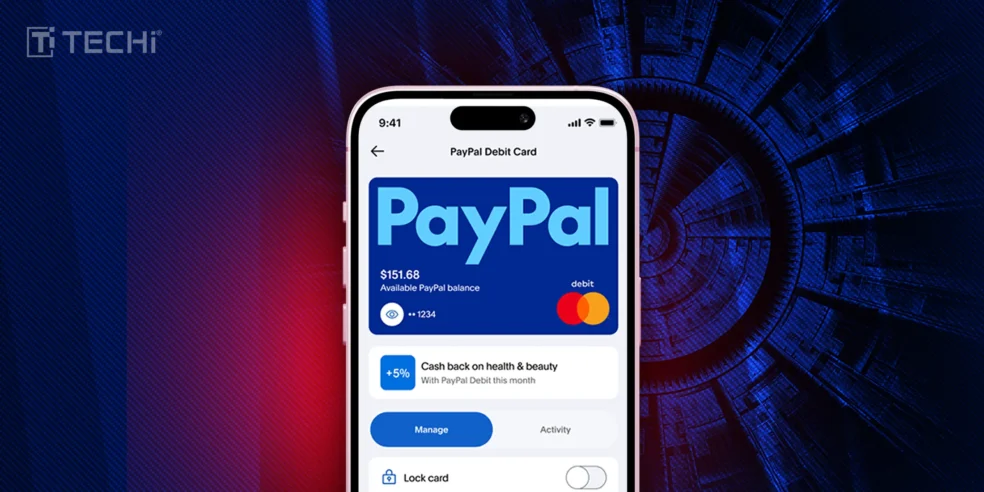

The partnership between PayPal and OpenAI marks a pivotal step in merging conversational AI with financial transactions. By integrating PayPal’s wallet into ChatGPT, the companies aim to simplify how users make payments directly through AI interactions.
This move could reshape both the fintech and AI markets by making conversational commerce a mainstream experience rather than a concept limited to prototypes or voice assistants.
For PayPal, the deal arrives at an important juncture. The company has been under pressure to revive growth after years of stagnating user expansion and intense competition from Apple Pay, Stripe, and digital banks. Embedding its wallet in ChatGPT gives PayPal access to a massive and engaged user base.
If OpenAI continues its rapid growth in ChatGPT usage, PayPal could benefit from a steady stream of microtransactions, subscriptions, and merchant payments triggered by AI-driven recommendations or interactions.
This could help PayPal diversify its transaction volume away from traditional e-commerce channels and reinforce its brand relevance among younger digital-native consumers.
For OpenAI, integrating payments represents a natural evolution of ChatGPT’s functionality. It turns the chatbot from an information service into a commercial platform capable of completing actions. Adding PayPal’s infrastructure provides a secure, regulated, and widely accepted payment layer that reduces friction for users while limiting OpenAI’s exposure to financial compliance risks.
The partnership also signals OpenAI’s intent to move beyond pure content generation toward transactional and service-oriented use cases.
The move could have broader competitive implications. Apple, Google, and Amazon have already embedded payments into their ecosystems, but PayPal’s inclusion in ChatGPT introduces a new model: a platform-independent AI interface that can facilitate purchases across different services.
If successful, this could pressure rivals to create similar integrations, especially as AI assistants become embedded in operating systems and search tools. It also strengthens the notion that conversational AI can become a universal digital front end for both personal productivity and commerce.
Investors may interpret this development as a positive sign for PayPal’s strategic recovery. Its stock has struggled in recent years as it faced slowing growth and margin compression. A high-profile partnership with one of the most visible AI companies could restore confidence in its innovation capacity.
However, profitability from this initiative will depend on adoption rates, user trust, and transaction frequency. The early rollout may serve more as a brand and ecosystem play than a direct revenue driver.
The success of this integration will hinge on execution and user experience. Payments in conversational contexts must feel intuitive, transparent, and secure.
Privacy and fraud prevention will be key challenges, given that AI systems can process sensitive personal and financial data. PayPal’s regulatory experience and security infrastructure will likely be critical in managing these concerns.
In strategic terms, this partnership represents a convergence of two maturing trends: conversational AI and digital payments. It positions PayPal as an early mover in AI commerce while giving OpenAI a foundation for monetization beyond subscriptions.
If user trust holds and the technology proves seamless, this collaboration could redefine how consumers interact with digital services and make ChatGPT an active participant in everyday financial activity.