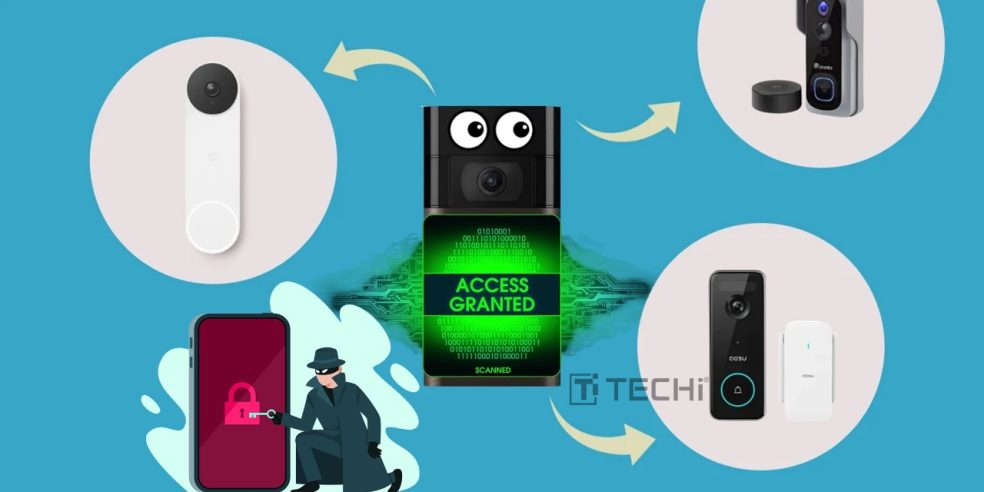
Ring, the Amazon-owned home security company, is facing fresh backlash after customers across social media reported that unfamiliar devices were appearing on their accounts. Some users even claimed the devices were showing up as logging in from other countries. With Ring’s history of data privacy controversies, the glitch is sparking questions about whether another breach has occurred.
On July 18, Ring issued a public statement explaining that the problem began on July 17 due to a bug in the app. The company said the glitch made old, previously connected devices, such as past phones, laptops, and tablets, show up as if they were new logins. It also caused all devices to display the same login date, May 28, 2025, and generic device names like “Device name not found.”
Ring posted that:
“We are aware of an issue where information is displayed inaccurately in the Control Center. This is the result of a backend update, and we’re working to resolve this. We have no reason to believe this is the result of unauthorized access to customer accounts.”
According to Ring, this happened because of a backend system update and had nothing to do with hackers or unauthorized access. The company added that every device ever used to connect to Ring accounts was flagged by the update, including devices users may no longer own.
Furthermore, they said their teams are still working on a permanent fix. But its statement didn’t stop users from posting online that something more serious may be happening, especially since some of the devices showing up do not match anything customers have ever used. These devices were even registered in other countries.
One of the users posted on TikTok:
Users also started posting it on Facebook, the Ring was replying there, clearing doubts, but it failed.


Why Customers Don’t Fully Believe Ring 🔗
For many, Ring’s reassurances are not enough. Many customers have posted screenshots of strange login activity, including connections from unknown devices and foreign IP addresses. Several viral posts on Reddit and X (formerly Twitter) argue that the bug explanation is not accurate for those suspicious details.
Ring’s past data breach history makes the skepticism worse. The company has been at the center of multiple privacy scandals, including a major Federal Trade Commission investigation in 2023. The FTC found that Ring allowed employees and third-party contractors to access private customer videos. They failed to implement proper safety measures to prevent hackers from taking over user accounts.
As part of a 2024 settlement, Ring agreed to pay $5.6 million in refunds to more than 116,000 customers. The refunds were sent through PayPal payments, so customers had to redeem the money there. Basically, not every Ring owner got money, only people whose cameras were part of the breach or investigation.
The current recall older controversies from the late 2010s, when hackers accessed Ring cameras using stolen credentials from unrelated breaches. In several incidents, intruders spoke directly to families through the camera’s audio, leading to national news coverage and lawsuits.
In response, Ring gradually rolled out stronger protections, including mandatory two-factor authentication and improved encryption for video streams. Despite those changes, privacy advocates have continued to criticize the company for how it handles user data. In January 2024, Ring ended its Request for Assistance feature, which allowed police departments and other agencies to request video footage from Ring users.
What Should Ring Users Do Now? 🔗
Ring claims their current login issues are a bug, not a hack, but cybersecurity experts recommend users change passwords, enable two-factor authentication, and review login history for suspicious activity. Users can contact Ring support if they find unknown logins. This incident adds to Ring’s troubling pattern of security failures, including hacked cameras and employee privacy violations, raising serious questions about whether the company can be trusted with home security.