The artificial-intelligence strategy of Intel is evolving to a new stage with the resignation of the Chief Technology Officer of the company, Sachin Katti, who has become a member of OpenAI.
Intel retorted this by saying that the Chief Executive Officer of the company, Lip-Bu Tan, will personally manage the AI and Advanced Technologies Groups of the company.
Such an organizational choice indicates that Tan is planning to take direct control of the most vital growth area of Intel as the company looks to regain its competitive footing in an ever-changing AI industry.
The departure of Katti is another vital leadership change that has occurred in Intel; the company has experienced a line of executive leavers since Tan assumed the leadership in March.
This development is thus time sensitive, since Intel is currently undertaking an extensive turnaround initiative that will restore it to its position as one of the market leaders in the production of semiconductors in the world.
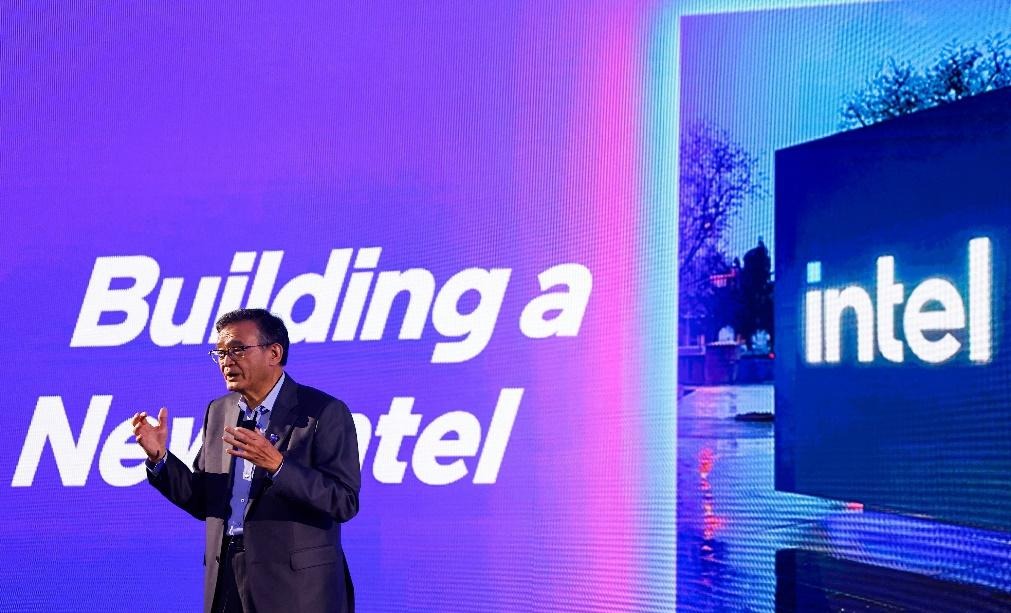
OpenAI Gains a Key Talent 🔗
Katti affirmed on the social media site X that he had been an OpenAI employee. In his new position, he will help in the design and build of the computing infrastructure of the company, which forms a part of its mission to develop the field of artificial general intelligence AGI and to make it available to a broad audience.
Katti on X was greeted by Greg Brockman, the president of OpenAI, who said that he would be instrumental in driving the research efforts of OpenAI as well as scaling its technologies. Katti has a long history of technical experience, with almost fifteen years as a professor at Stanford, which makes him an essential hire to the growing list of AI hardware professionals at OpenAI.
The AI Chip Race that Intel Struggles with 🔗
Although Intel has been able to use its processors in the servers of AI, the company has been falling behind Nvidia and TSMC, which have been leading the market of specialized AI chips. The attempts of the Intel company to produce an artificial intelligence chip used in a data center that can compete with the silicon made by Nvidia are still unsuccessful.
The company has made it clear that AI is considered to be among its top strategic priorities, which is why it is keen on implementing a product roadmap intended to support emerging AI workloads.
However, the victory in this field means not only the innovativeness but also the brilliant leadership and performance, and these areas are where Intel had to face the latest challenges.
Lip‑Bu Tan’s Hands‑On Approach 🔗
Tan has taken a more direct role in transforming the company since taking over the CEO position a few months ago. As an investor in technology and a former CEO of Cadence Design Systems, Tan has reorganized the leadership of Intel in a bid to simplify decision-making procedures.
He nurtured several internal talents and also hired external talent, including Kevork Kechichian, who was previously an ARM executive, to manage the data-center business at Intel.
His next move was to increase the number of responsibilities of Naga Chandrasekaran, who now heads the Intel manufacturing subsidiary and any external foundry alliances. Such organizational changes indicate how Tan aimed at streamlining the organizational design of Intel and speeding up its processes.
Prognosis of the AI Potential of Intel 🔗
The shift of Katti to OpenAI highlights how competitive the AI market is in the technological industry. In the case of Intel, his exit puts additional pressure on Tan to show that his management can steer the company back to the top of innovative processes.
By making direct control of AI development, Tan sends a strong message that Intel is still in the AI race. It is impossible to say whether this course will help Intel to decrease the distance between it and Nvidia and other rivals, but it is a turning point that a company that wants to reinvent its place during the era of AI needs.