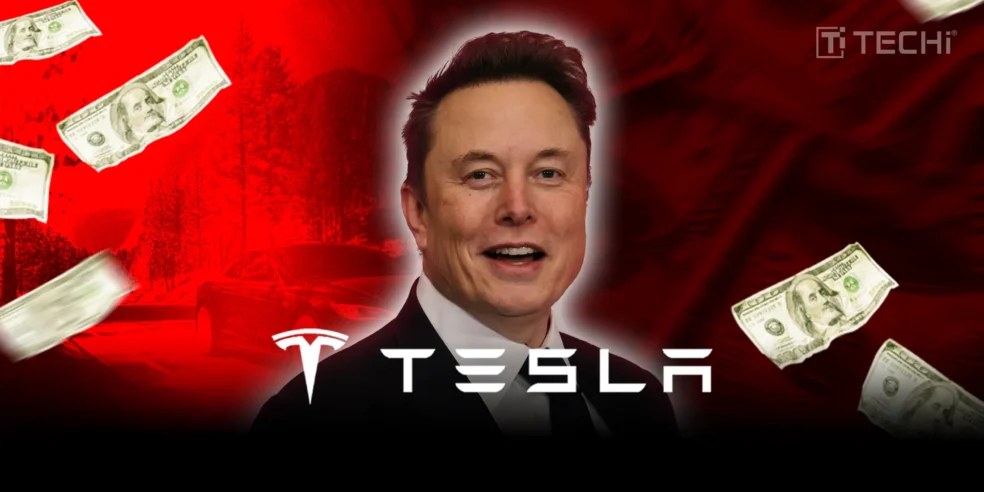

Tesla has never been merely an automaker, rather it’s a demonstration of technology, ambition, and hype all in one. With the October 22 earnings date looming, investors are being torn between the ambitious vision and the data. The firm’s revival in EV sales in Q3 is a glimmer of hope, but it also seems to be more of a pause before the next chapter of volatility. Elon Musk’s vision of autonomous Cybercabs and humanoid robots is great for getting the spotlight, but what matters is whether Tesla can convert these revolutionary promises into real, profitable truth before its massive valuation runs out of any support. As of now, Tesla’s momentum seems to be running more on faith, instead of its balance sheets.
Tesla’s innovation machine is still its greatest strength. Not many companies can innovate entirely new sectors of the economy, along with leading discussions about the future of technology. On one hand, the approaching Cybercab and Optimus updates may serve as a reminder to the market why Tesla has attracted so much investor devotion, as it’s a company based on chaos and not merely production. On the other hand, financial realists worry that the company’s fundamentals are not keeping pace with what it desires.
In spite of the 90% year-over-year stock rise, Tesla’s declining EV sales, excessive dependence on U.S market benefits, and massive P/E ratio presents a dangerous scenario. Also, Tesla’s emphasis on future-oriented projects may distract it from more immediate challenges such as scaling up sustainable manufacturing or coping with its competition in China. Whether Tesla’s October 22 report triggers a reality check is less a matter of its delivery numbers and more of how credibly Elon Musk sells his next act. Investors would do well to recall that innovation doesn’t necessarily mean instant profit, and in Tesla’s case, the future may be as rocky as it is radiant.